
Pre-conceptional Counselling
- Home
- Pre-conceptional Counselling
Obstetrics
High Risk Pregnancy Ectopic Pregnancy Placenta Issues Cesarean Section Normal Delivery VBAC Painless Vaginal Delivery Preeclampsia Eclampsia Medical Disorders in Pregnancy Hypertensive Disorders in Pregnancy Postpartum Care Ectopic Pregnancy / GTT MTP Early Detection & Treatment Pre-conceptional Counselling Prenatal Care Postpartum Hemorrhage Treatment Antenatal Yoga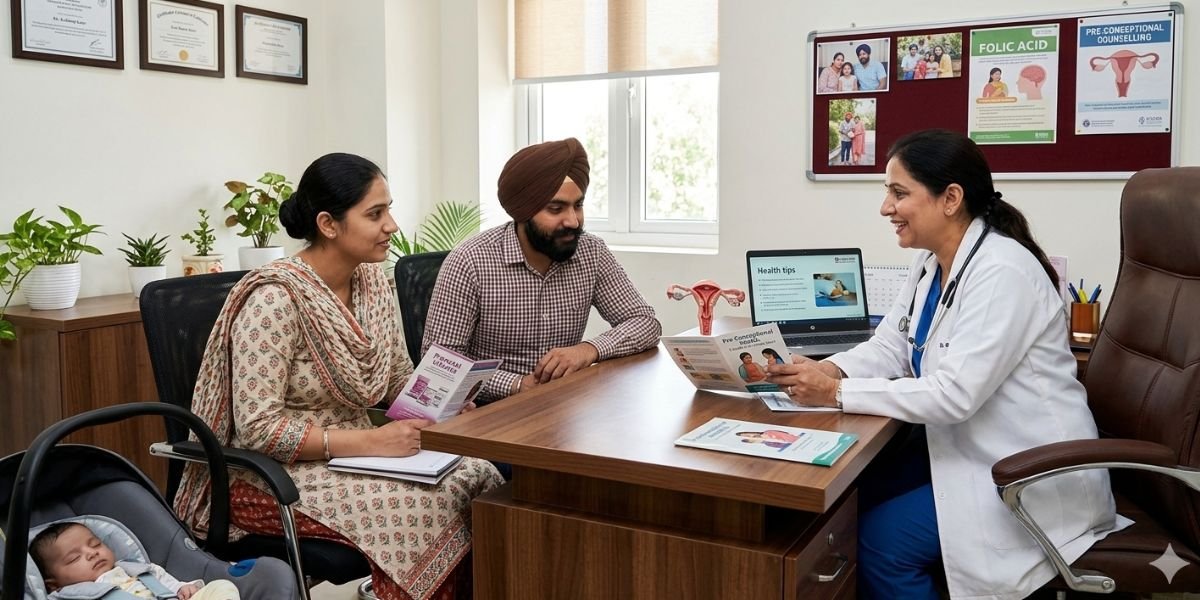
Planning for a Healthy Pregnancy Before You Conceive
Pregnancy preparation begins before pregnancy.
Pre-conceptional counselling is a personalized consultation designed to help women and couples prepare physically, medically, nutritionally, and emotionally for pregnancy.
The purpose is to identify health conditions and potential pregnancy risks before conception, optimize existing medical conditions, review medications and vaccinations, assess reproductive and family history, and provide guidance on nutrition and healthy lifestyle choices.
A pre-conception consultation does not guarantee that complications will not occur. However, addressing modifiable risk factors before pregnancy can help create a healthier starting point for pregnancy and support informed decision-making.
What Is Pre-Conceptional Counselling?
Pre-conceptional counselling, also called pre-pregnancy counselling or preconception care, is medical guidance provided before attempting to conceive.
It involves assessing the health and reproductive history of the woman and, where appropriate, the male partner, followed by an individualized plan for pregnancy preparation.
The consultation may include:
- Medical and surgical history
- Previous pregnancy history
- Menstrual and reproductive history
- Current medications and supplements
- Vaccination status
- Nutritional assessment
- Folic acid supplementation
- Lifestyle assessment
- Screening for relevant medical conditions
- Review of family and genetic history
- Infection and immunity assessment where appropriate
- Weight and metabolic health assessment
- Mental and emotional well-being
- Fertility-related concerns
- Advice regarding timing of conception
The exact evaluation depends on the individual’s age, health, reproductive history, and pregnancy plans.
Why Is Pre-Conceptional Counselling Important?
A number of important developments occur very early in pregnancy, sometimes before a woman realizes that she is pregnant.
Planning ahead provides an opportunity to identify and address health issues before conception.
Pre-conception care can help:
Identify Existing Medical Conditions
Conditions such as diabetes, hypertension, thyroid disorders, epilepsy, anaemia, obesity, and other medical problems may require assessment and optimization before pregnancy.
Review Medications
Some medicines may need to be changed, adjusted, or stopped before pregnancy because of potential effects on pregnancy.
Medications should never be stopped without medical advice.
Improve Nutritional Health
Adequate nutrition and appropriate supplementation can help prepare the body for pregnancy.
Start Folic Acid at the Right Time
Folic acid is particularly important before conception and during early pregnancy because the neural tube develops very early in pregnancy. CDC recommends 400 micrograms of folic acid daily for women capable of becoming pregnant; women with certain risk factors may require a different dose under medical supervision.
Review Vaccinations and Immunity
Vaccination history can be reviewed before pregnancy, and certain vaccines may be recommended before conception depending on the individual’s vaccination status and health circumstances.
Assess Previous Pregnancy Risks
A history of miscarriage, ectopic pregnancy, preterm birth, preeclampsia, gestational diabetes, stillbirth, fetal growth problems, or other complications may influence planning for the next pregnancy.
Who Should Consider Pre-Conceptional Counselling?
Pre-conception counselling can benefit anyone planning a pregnancy.
It is particularly important if you:
- Have a chronic medical condition
- Take regular prescription medication
- Have had previous pregnancy complications
- Have experienced recurrent pregnancy loss
- Have had an ectopic pregnancy
- Have had a previous preterm birth
- Have had preeclampsia or pregnancy-related hypertension
- Have had gestational diabetes
- Have had a baby with a congenital or genetic condition
- Have a family history of genetic disorders
- Have thyroid disease
- Have diabetes
- Have hypertension
- Have epilepsy
- Have an autoimmune condition
- Have significant anaemia
- Have undergone previous uterine or pelvic surgery
- Have a history of infertility
- Are planning pregnancy after fertility treatment
- Are planning pregnancy at an age where additional assessment may be appropriate
- Have concerns about nutrition, weight, lifestyle, or medications
Even when there are no known health problems, a pre-conception consultation can provide an opportunity to prepare for pregnancy.
When Should You Have Pre-Conception Counselling?
Ideally, pre-conception counselling should take place before you start trying to conceive.
This gives sufficient time to:
- Optimize medical conditions
- Review medications
- Start appropriate supplements
- Update vaccinations where needed
- Address nutritional deficiencies
- Make lifestyle changes
- Review previous pregnancy complications
- Arrange appropriate investigations
- Discuss genetic risks
- Develop a pregnancy plan
Some changes require time, so planning ahead can be particularly useful.
If you are already trying to conceive or have recently discovered that you are pregnant, it is still worthwhile discussing your medical history, medications, supplements, and health conditions with your healthcare provider as early as possible.
What Happens During a Pre-Conception Consultation?
The consultation begins with a detailed discussion about your health and pregnancy plans.
Your doctor may review:
Personal Medical History
This may include:
- Diabetes
- High blood pressure
- Thyroid disorders
- Heart disease
- Kidney disease
- Liver disease
- Epilepsy
- Asthma
- Autoimmune conditions
- Blood disorders
- Mental health conditions
- Previous infections
- Other chronic conditions
The aim is to determine whether any condition needs further evaluation or better control before pregnancy.
Previous Pregnancy History
Previous pregnancy outcomes can provide important information for planning future pregnancies.
Your doctor may ask about:
- Previous normal deliveries
- Caesarean deliveries
- Miscarriages
- Recurrent pregnancy loss
- Ectopic pregnancies
- Molar pregnancy
- Preterm birth
- Stillbirth
- Neonatal loss
- Preeclampsia
- Gestational diabetes
- Placental problems
- Fetal growth restriction
- Congenital abnormalities
- Previous pregnancy-related surgery or complications
A previous complication does not necessarily mean it will happen again, but it may influence the level of monitoring or preparation needed during a future pregnancy.
Menstrual and Reproductive History
Your doctor may discuss:
- Age at first period
- Menstrual cycle regularity
- Cycle length
- Heavy menstrual bleeding
- Painful periods
- Irregular periods
- Previous ovarian cysts
- Endometriosis
- Fibroids
- Pelvic infections
- Previous pelvic surgery
- Previous fertility treatment
This information can help identify conditions that may affect conception or pregnancy.
Medication Review
A complete medication review is an important part of pre-conception care.
Tell your doctor about:
- Prescription medicines
- Over-the-counter medicines
- Vitamins
- Herbal products
- Nutritional supplements
- Long-term treatments
Some medicines are compatible with pregnancy, while others may need to be changed before conception.
The goal is not to stop necessary treatment unnecessarily, but to make sure that medical conditions are controlled using the safest appropriate treatment.
Folic Acid and Pregnancy Supplements
Folic acid is one of the most important supplements to consider before pregnancy.
Adequate folic acid before conception and during early pregnancy helps reduce the risk of neural tube defects involving the baby’s brain and spine.
For women capable of becoming pregnant, CDC recommends 400 micrograms of folic acid daily. Higher doses may be recommended for certain women with specific risk factors and should be taken under medical guidance.
Your doctor can advise you about:
- Appropriate folic acid dose
- When to start
- Duration
- Prenatal vitamins
- Iron
- Vitamin B12
- Vitamin D
- Other supplements based on individual needs
Do not assume that taking more supplements is always better. Supplementation should be individualized.
Nutrition Before Pregnancy
Good nutrition helps prepare the body for pregnancy.
A balanced diet generally includes:
- Whole grains
- Vegetables
- Fruits
- Pulses and legumes
- Adequate protein
- Dairy or suitable alternatives
- Healthy fats
- Adequate fluids
Depending on individual circumstances, your doctor may assess for nutritional deficiencies or anaemia.
WHO’s preconception-care framework includes nutritional assessment, folic acid/iron supplementation where appropriate, management of conditions such as diabetes, and healthy lifestyle interventions.
Weight and Metabolic Health
Both underweight and overweight can influence pregnancy and fertility in some women.
Pre-conception counselling provides an opportunity to discuss:
- Healthy weight
- Nutrition
- Physical activity
- Blood glucose
- Blood pressure
- Metabolic health
If weight management is recommended, the goal should be a safe and sustainable approach rather than rapid weight loss.
Diabetes and Pregnancy Planning
Women with diabetes benefit from pre-pregnancy planning because blood glucose control around conception can influence pregnancy outcomes.
Pre-conception care may include:
- Reviewing diabetes control
- Reviewing medications
- Checking for diabetes-related complications where appropriate
- Nutrition counselling
- Reviewing glucose-monitoring plans
- Planning pregnancy safely
Pregnancy should ideally be planned when diabetes is appropriately managed.
Thyroid Disorders and Pregnancy
Thyroid conditions can affect menstrual function, fertility, and pregnancy.
Women with:
- Hypothyroidism
- Hyperthyroidism
- Thyroid antibodies
- Previous thyroid surgery
- Thyroid medication use
may benefit from thyroid assessment before conception.
Medication and thyroid levels may need to be reviewed and monitored during pregnancy.
High Blood Pressure and Pregnancy Planning
Women with hypertension should ideally discuss pregnancy before conception.
The consultation may involve:
- Blood pressure assessment
- Medication review
- Evaluation of cardiovascular or kidney health when appropriate
- Discussion of pregnancy-related risks
- Planning appropriate monitoring
Some blood-pressure medicines are not appropriate during pregnancy and may need to be changed before conception.
Do not stop or change blood-pressure medication without medical advice.
Vaccination and Immunity Review
Vaccination status can be reviewed as part of pre-conception care.
Depending on medical history, vaccination status, and local recommendations, your healthcare provider may discuss protection against infections that can affect pregnancy.
Some vaccines are ideally administered before pregnancy, while others may be recommended during pregnancy.
Your doctor can review your vaccination records and determine what is appropriate for you.
Infection Screening
Depending on individual risk factors and local clinical recommendations, screening may be considered for infections that can affect pregnancy.
This may include assessment for conditions such as:
- HIV
- Hepatitis B
- Hepatitis C
- Syphilis
- Other sexually transmitted infections
- Rubella immunity
- Varicella immunity
- Other infections based on history and risk
Not every woman requires every test.
Testing should be based on medical history, risk factors, symptoms, previous results, and applicable guidelines.
Genetic and Family History
A family history can sometimes identify an increased risk of inherited conditions.
Your doctor may ask about:
- Genetic disorders in the family
- Birth defects
- Intellectual or developmental conditions with a suspected genetic cause
- Recurrent pregnancy loss
- Previous child with a genetic condition
- Known carrier status
- Consanguinity
- Repeated unexplained neonatal or childhood deaths
Where appropriate, genetic counselling or carrier screening may be discussed.
Pre-Conception Counselling for Couples With Previous Pregnancy Loss
If you have experienced:
- Recurrent miscarriage
- A previous ectopic pregnancy
- Stillbirth
- Previous pregnancy with a fetal abnormality
- Previous preterm birth
- Previous severe pregnancy complications
pre-conception counselling can help review what happened previously and determine whether any additional assessment or preventive planning may be appropriate.
The next pregnancy should be planned according to the individual’s history rather than assuming that the previous outcome will repeat.
Fertility and Pre-Conception Counselling
Pre-conception counselling is not the same as fertility treatment.
However, it can help identify factors that may affect conception.
Assessment may consider:
- Menstrual cycles
- Ovulation history
- Previous pregnancies
- Previous pelvic surgery
- Endometriosis
- Fibroids
- Polycystic ovary syndrome
- Previous fertility treatment
- Age
- Male partner factors where relevant
If there are concerns about fertility, appropriate fertility evaluation can be discussed.
Lifestyle Before Pregnancy
Healthy lifestyle choices are an important component of pre-conception care.
Smoking
Smoking should be stopped before pregnancy where possible.
Alcohol
If you are planning pregnancy, avoiding alcohol is recommended.
Recreational Drugs
Use of recreational drugs should be discussed openly with your healthcare provider so appropriate support can be provided.
CDC advises avoiding alcohol when trying to become pregnant and avoiding tobacco and certain drugs because of their potential effects on pregnancy.
Physical Activity
Regular, appropriate physical activity can support general health and may help with weight and metabolic health.
Sleep
Adequate sleep and a healthy routine are also part of overall pre-pregnancy well-being.
Environmental and Occupational Exposures
Some workplaces or household environments may involve exposure to:
- Chemicals
- Solvents
- Pesticides
- Heavy metals
- Radiation
- Certain infectious materials
- Other potentially harmful substances
Tell your doctor about your occupation and any relevant environmental exposures.
Where necessary, appropriate measures can be discussed to reduce exposure before and during pregnancy.
Dental and Oral Health
Oral health is part of overall pre-pregnancy health.
If you have:
- Gum disease
- Tooth pain
- Dental infection
- Untreated dental problems
appropriate dental care can be arranged before or during pregnancy.
Mental and Emotional Well-Being
Preparing for pregnancy involves more than physical health.
Your doctor may discuss:
- Stress
- Anxiety
- Depression
- Previous mental health conditions
- Current medications
- Social support
- Relationship concerns
- Sleep
- Work-related stress
If you have an existing mental health condition, treatment should be reviewed rather than stopped abruptly.
The goal is to support both maternal well-being and a healthy pregnancy plan.
What Tests May Be Recommended Before Pregnancy?
There is no universal list of tests required for every woman.
Investigations are individualized.
Depending on your medical history, your doctor may consider:
Blood Tests
- Complete blood count
- Blood group and Rh type
- Blood glucose or HbA1c when indicated
- Thyroid function tests
- Iron studies when indicated
- Vitamin B12 or vitamin D assessment when indicated
- Other tests based on medical history
Infection Screening
When indicated:
- HIV
- Hepatitis B
- Hepatitis C
- Syphilis
- Other relevant infections
Immunity Testing
Depending on vaccination history and clinical circumstances, immunity to certain infections may be assessed.
Genetic Testing
Carrier screening or genetic counselling may be considered depending on personal and family history.
Other Investigations
Additional tests may be recommended if you have a specific medical condition or previous pregnancy complication.
Is an Ultrasound Needed Before Pregnancy?
Not every woman needs an ultrasound before conception.
An ultrasound may be considered if there are concerns such as:
- Irregular periods
- Pelvic pain
- Fibroids
- Ovarian cysts
- Endometriosis
- Previous pelvic surgery
- Infertility
- Abnormal bleeding
- Suspected uterine or ovarian problems
The decision depends on your individual history.
Pre-Conception Counselling for Women With High-Risk Conditions
Women with certain medical or obstetric conditions may require more detailed planning.
This may include women with:
- Diabetes
- Hypertension
- Heart disease
- Kidney disease
- Thyroid disease
- Epilepsy
- Autoimmune disease
- Blood-clotting disorders
- Previous severe preeclampsia
- Previous recurrent pregnancy loss
- Previous preterm birth
- Previous stillbirth
- Previous ectopic pregnancy
- Previous caesarean delivery
- Previous uterine surgery
The purpose is to identify potential risks and establish an appropriate plan before pregnancy begins.
Pre-Conception Counselling After Caesarean Delivery
If you have previously had a caesarean section, pre-conception counselling can be an opportunity to review:
- Reason for the previous caesarean
- Type of uterine incision where known
- Previous recovery
- Any complications
- Number of previous caesarean deliveries
- Placental considerations in a future pregnancy
- Interval between pregnancies
- Future delivery options
The information can help guide care in the next pregnancy.
Pre-Conception Counselling After an Ectopic Pregnancy
Women with a previous ectopic pregnancy may benefit from early planning for the next pregnancy.
Counselling may include:
- Review of previous treatment
- Assessment of remaining fallopian tube where appropriate
- Discussion of future fertility
- Early pregnancy monitoring
- Planning an early ultrasound after a future positive pregnancy test
The risk of another ectopic pregnancy is increased after a previous ectopic pregnancy, making early assessment in a subsequent pregnancy particularly important.
Pre-Conception Counselling After Miscarriage
A single miscarriage is common and does not necessarily indicate a fertility problem or that another miscarriage will occur.
However, women with recurrent pregnancy loss or specific risk factors may benefit from a more detailed evaluation before another pregnancy.
The consultation may review:
- Previous pregnancy history
- Medical conditions
- Uterine factors
- Hormonal or metabolic factors
- Genetic factors where appropriate
- Lifestyle and nutritional factors
The investigation should be individualized rather than based on a routine panel of tests for everyone.
Pre-Conception Counselling for Men
Pre-conception health is not only a woman’s responsibility.
The male partner’s health can also influence fertility and reproductive outcomes.
Men may benefit from discussing:
- Smoking
- Alcohol
- Recreational drug use
- Medications
- Occupational exposures
- Chronic medical conditions
- Weight and metabolic health
- Previous fertility problems
- Family history
If there are concerns about male fertility, semen analysis or other evaluation may be considered.
A Personalized Pre-Pregnancy Plan
At the end of the consultation, your doctor may develop an individualized plan covering:
Before Conception
- Medical condition optimization
- Medication review
- Appropriate supplements
- Vaccination planning
- Nutrition
- Lifestyle changes
- Genetic counselling when indicated
When Trying to Conceive
- Timing and fertility guidance
- Continued medication and health monitoring
- Appropriate supplementation
- Advice regarding when to seek further fertility evaluation
After a Positive Pregnancy Test
- Early contact with the obstetrician
- Medication review
- Early pregnancy assessment
- Appropriate investigations
- Antenatal care planning
A Simple Pre-Conception Checklist
Before trying to conceive, consider discussing:
Medical Health
- Existing medical conditions
- Previous surgeries
- Previous pregnancy complications
Medications
- Prescription medicines
- Over-the-counter medicines
- Supplements and herbal products
Nutrition
- Folic acid
- Iron
- Other nutritional requirements
Vaccinations
- Vaccination history
- Immunity status
Lifestyle
- Smoking
- Alcohol
- Recreational drugs
- Exercise
- Weight
- Sleep
Reproductive Health
- Menstrual cycles
- Previous pregnancies
- Fertility concerns
Family History
- Genetic conditions
- Birth defects
- Recurrent pregnancy loss
Mental Well-Being
- Stress
- Anxiety
- Depression
- Emotional support
Common Myths About Pre-Conception Counselling
“I only need to see a doctor after I become pregnant.”
Not necessarily. Some important pregnancy-preparation steps are most useful before conception, including medication review, management of chronic conditions, vaccination planning, and starting folic acid.
“Pre-conception counselling is only for women with health problems.”
No. Anyone planning a pregnancy can benefit from discussing pregnancy preparation with a healthcare professional.
“If I feel healthy, I don’t need any preparation.”
Feeling healthy is reassuring, but some conditions can be silent. A pre-conception consultation provides an opportunity to review medical history, medications, vaccinations, and other relevant factors.
“I should stop all my medicines before trying for pregnancy.”
No. Some medications are important and should not be stopped abruptly. Medication changes should be made only after discussing them with your doctor.
“Taking many vitamins will make pregnancy healthier.”
More supplements are not necessarily better. The type and dose of supplements should be based on individual nutritional needs and medical advice.
