
Hysterectomy
- Home
- Hysterectomy
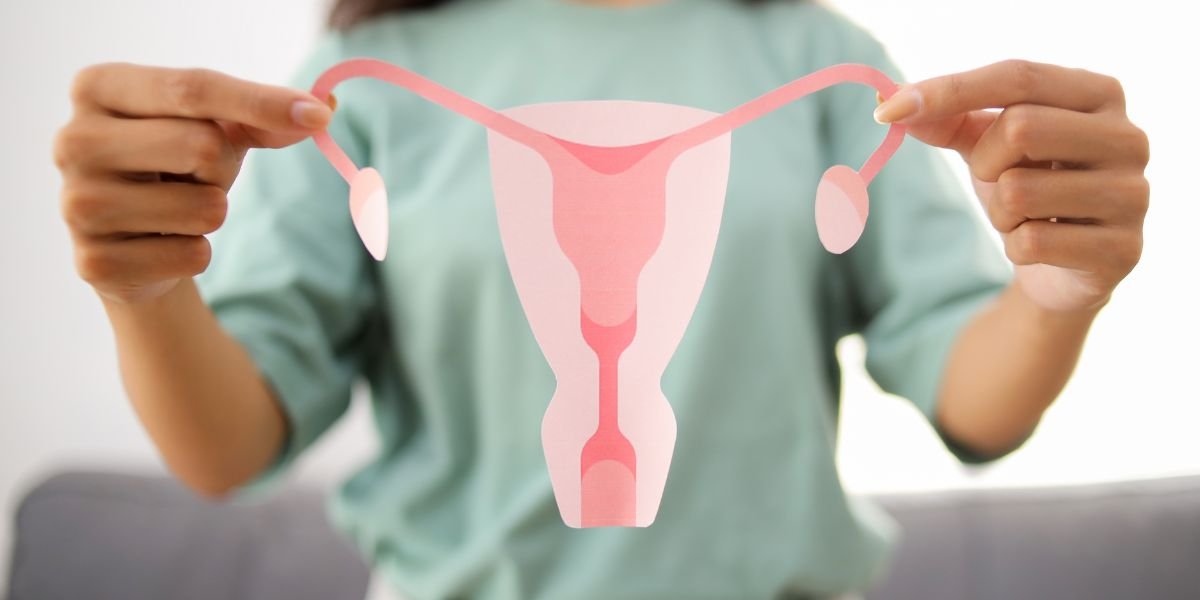
Expert Care for Uterine Conditions and Women’s Health
A hysterectomy is a surgical procedure to remove the uterus. It may be recommended for certain gynaecological conditions when other treatments have not provided sufficient relief or when surgery is considered the most appropriate option.
Depending on the underlying condition, a hysterectomy may help manage heavy menstrual bleeding, uterine fibroids, adenomyosis, uterine prolapse, or certain gynaecological cancers. The recommended approach depends on your medical history, symptoms, overall health, and future reproductive plans.
Understanding the procedure, available surgical techniques, and recovery process can help you make an informed decision about your care.
What Is a Hysterectomy?
A hysterectomy is an operation in which the uterus, also called the womb, is removed. After the procedure, menstrual periods stop, and pregnancy is no longer possible.
Depending on the medical condition, the surgeon may remove only the uterus or may also recommend removing the cervix, fallopian tubes, or ovaries. These decisions are individualised and should be discussed before surgery.
A hysterectomy is a major surgical procedure and is generally considered after evaluating the potential benefits, risks, and alternative treatments.
When Is a Hysterectomy Recommended?
A hysterectomy may be considered when a uterine condition causes significant symptoms or requires definitive surgical treatment.
1. Uterine Fibroids
Fibroids are non-cancerous growths in or around the uterus. They may cause heavy periods, pelvic pressure, pain, or anaemia. A hysterectomy may be an option for severe symptoms when other treatments are unsuitable or unsuccessful and future pregnancy is not desired.
2. Adenomyosis
Adenomyosis occurs when tissue similar to the uterine lining grows within the muscular wall of the uterus. It can cause painful periods, heavy bleeding, and an enlarged or tender uterus. Hysterectomy may be considered when symptoms remain severe despite appropriate treatment.
3. Abnormal Uterine Bleeding
Persistent or heavy uterine bleeding can affect daily life and may lead to anaemia. Treatment depends on the underlying cause, and hysterectomy may be considered when other suitable options have not worked or are not appropriate.
4. Uterine Prolapse
Uterine prolapse occurs when the uterus descends into the vaginal canal because of weakened pelvic support structures. Surgery may be recommended when prolapse causes significant discomfort, pressure, or difficulty with daily activities. Treatment options depend on the severity of prolapse and the patient’s preferences.
5. Endometriosis
Endometriosis can cause chronic pelvic pain and other symptoms. Hysterectomy may be considered in selected cases when symptoms remain difficult to manage, other treatments have been evaluated, and pregnancy is no longer desired. It does not guarantee that all endometriosis-related pain will resolve, particularly if disease remains outside the uterus.
6. Certain Gynaecological Cancers
Hysterectomy may be part of treatment for certain cancers of the uterus, cervix, or other reproductive organs. The recommended surgery and additional treatment depend on the type and stage of cancer.
Types of Hysterectomy
The type of hysterectomy depends on the condition being treated and the structures that need to be removed.
1. Total Hysterectomy
A total hysterectomy involves removing the uterus and cervix. The ovaries and fallopian tubes may be retained or removed separately, depending on the medical indication.
2. Subtotal or Supracervical Hysterectomy
In this procedure, the main body of the uterus is removed while the cervix remains in place. Continued cervical screening may still be required according to screening guidelines and medical history.
3. Radical Hysterectomy
A radical hysterectomy involves removing the uterus, cervix, and surrounding tissues, and sometimes nearby structures. It is generally reserved for selected cancer-related indications.
4. Hysterectomy With or Without Ovary Removal
The ovaries produce hormones that play an important role in health, particularly before natural menopause. Removing both ovaries before menopause causes immediate surgical menopause.
Ovary removal is not automatically required during hysterectomy. The decision depends on factors such as age, medical history, ovarian health, cancer risk, and the reason for surgery.
Surgical Approaches to Hysterectomy
A hysterectomy can be performed using different surgical approaches. Your surgeon will recommend the most appropriate option based on your condition and individual circumstances.
1. Laparoscopic Hysterectomy
Laparoscopic hysterectomy is a minimally invasive procedure performed through small abdominal incisions using a camera and specialised instruments.
Potential benefits include:
Smaller abdominal incisions.
Less postoperative discomfort for many patients compared with open surgery.
Shorter hospital stays in suitable cases.
Faster return to normal activities for some patients.
Not every patient is suitable for laparoscopic surgery. The choice depends on the size of the uterus, previous surgeries, the underlying condition, and the surgeon’s assessment and expertise.
2. Vaginal Hysterectomy
A vaginal hysterectomy involves removing the uterus through the vagina without a large abdominal incision. It may be suitable for certain conditions, including some cases of uterine prolapse.
3. Abdominal Hysterectomy
An abdominal hysterectomy involves removing the uterus through an incision in the abdomen. It may be recommended when the uterus is very large, the condition is complex, or another approach is not suitable.
Each surgical method has its own benefits and risks. The safest approach is selected according to the patient’s needs and clinical findings.
How to Prepare for Hysterectomy Surgery
Preparation helps support safer surgery and recovery. Your healthcare team may recommend:
Reviewing your medical history and current medications.
Undergoing blood tests and imaging when required.
Assessing anaemia or other medical conditions before surgery.
Discussing the planned procedure, expected benefits, risks, and alternatives.
Reviewing whether the ovaries, fallopian tubes, or cervix need to be removed.
Following instructions about fasting and medications before the operation.
Arranging support at home during the initial recovery period.
Ask your surgeon any questions you may have about fertility, menopause, sexual health, and recovery before making your decision.
Recovery After Hysterectomy
Recovery varies depending on the surgical approach, the reason for surgery, and your overall health.
Immediately After Surgery
The healthcare team monitors pain, bleeding, urination, and general recovery. Early gentle movement is often encouraged when medically appropriate to help reduce the risk of complications.
During the First Few Weeks
You may experience tiredness, mild abdominal discomfort, or light vaginal spotting. Follow your surgeon’s instructions regarding wound care, medication, bathing, and physical activity.
Returning to Daily Activities
Recovery is often shorter after minimally invasive surgery than after open abdominal surgery. Many patients need several weeks before resuming their usual activities, and complete recovery can take longer.
Avoid heavy lifting, strenuous exercise, and vaginal intercourse until your surgeon confirms it is safe. Attend follow-up appointments and discuss any concerns during recovery.
Possible Risks and Complications
As with any major operation, hysterectomy carries potential risks. These may include:
Bleeding or infection.
Blood clots.
Injury to nearby organs, such as the bladder, ureters, or bowel.
Complications related to anaesthesia.
Pelvic floor or bladder-related concerns in some patients.
Emotional changes related to the procedure or loss of fertility.
Surgical menopause if both ovaries are removed before natural menopause.
The likelihood of complications varies according to the surgical approach, the underlying condition, and individual health factors. Your surgeon will explain the risks relevant to your circumstances.
Seek urgent medical attention after surgery if you experience heavy bleeding, fever, worsening or severe abdominal pain, chest pain, sudden breathlessness, fainting, or painful swelling in one leg.
Life After Hysterectomy
Many women experience improvement in symptoms that led to surgery, particularly when the underlying condition has been treated successfully. However, recovery and long-term effects differ from person to person.
Menstrual Periods and Fertility
After removal of the uterus, menstrual periods stop and pregnancy is no longer possible. If preserving fertility is important to you, discuss alternatives such as medication, uterine-sparing procedures, or myomectomy where appropriate before considering hysterectomy.
Hormonal Changes
If the ovaries remain, hormone production may continue, although menopause can occur naturally later. If both ovaries are removed before natural menopause, symptoms such as hot flushes, night sweats, vaginal dryness, and sleep changes may develop. Your clinician can discuss management options where appropriate.
Sexual Health and Emotional Well-Being
Some women find that sexual comfort improves after treatment of pain or heavy bleeding. Others may need time and support to adjust physically or emotionally. Concerns about intimacy, body image, or mood should be discussed openly with your healthcare professional.
Alternatives to Hysterectomy
Hysterectomy is not the only treatment for every uterine condition. Depending on the diagnosis and reproductive goals, alternatives may include:
Medication to manage heavy bleeding or pelvic pain.
Hormonal treatments.
Myomectomy to remove fibroids while preserving the uterus.
Selected procedures to treat the uterine lining or fibroids.
Uterine prolapse treatments, including pelvic floor exercises, pessaries, or uterus-preserving surgery in suitable cases.
The best option depends on the cause and severity of symptoms, previous treatments, and whether future pregnancy is desired.
Our Approach to Hysterectomy Care
Our approach focuses on accurate diagnosis, careful surgical planning, and personalised treatment recommendations. We explain the available options, including minimally invasive techniques when suitable, so patients can understand the benefits, risks, and expected recovery.
From preoperative assessment to postoperative follow-up, the goal is to provide informed, compassionate care tailored to each woman’s health needs.
Frequently Asked Questions
1. Is hysterectomy a major surgery?
Yes. Hysterectomy is a major surgical procedure, although recovery and hospital stay can vary depending on the approach used and the patient’s health.
2. Will I have periods after a hysterectomy?
No. Once the uterus is removed, menstrual periods stop. If the ovaries remain, they may continue producing hormones until natural menopause.
3. Can I get pregnant after a hysterectomy?
No. Pregnancy cannot be carried after the uterus has been removed. If you may want children in the future, discuss uterus-preserving treatments before surgery.
4. Is laparoscopic hysterectomy better than open surgery?
Laparoscopic surgery can offer smaller incisions and faster recovery for suitable patients. However, the safest and most effective approach depends on the underlying condition and individual circumstances.
5. Are the ovaries always removed during hysterectomy?
No. The ovaries may be retained or removed depending on the diagnosis, age, ovarian health, and individual cancer risk. Removing both ovaries before menopause causes surgical menopause.
6. How long does recovery take?
Recovery depends on the surgical method and individual health. Many patients need several weeks to resume normal activities, with longer recovery often required after abdominal surgery.
7. Will hysterectomy cure endometriosis?
Not always. It may help selected patients whose symptoms are related to uterine disease, but endometriosis outside the uterus can remain and continue to cause symptoms.
8. Can hysterectomy help with uterine fibroids?
Yes. Hysterectomy definitively treats uterine fibroids by removing the uterus, but it is generally considered after discussing other suitable treatments, especially when future pregnancy is desired.
9. Will my sex life change after hysterectomy?
Experiences vary. Some women notice improvement when pain or bleeding resolves, while others may experience physical or emotional changes. Follow your surgeon’s advice about when to resume sexual activity.
10. When should I contact my doctor after surgery?
Contact your healthcare team for concerns about pain, bleeding, wound healing, urination, or recovery. Heavy bleeding, fever, severe pain, chest pain, or sudden breathlessness require urgent assessment.
