
Myomectomy
- Home
- Myomectomy
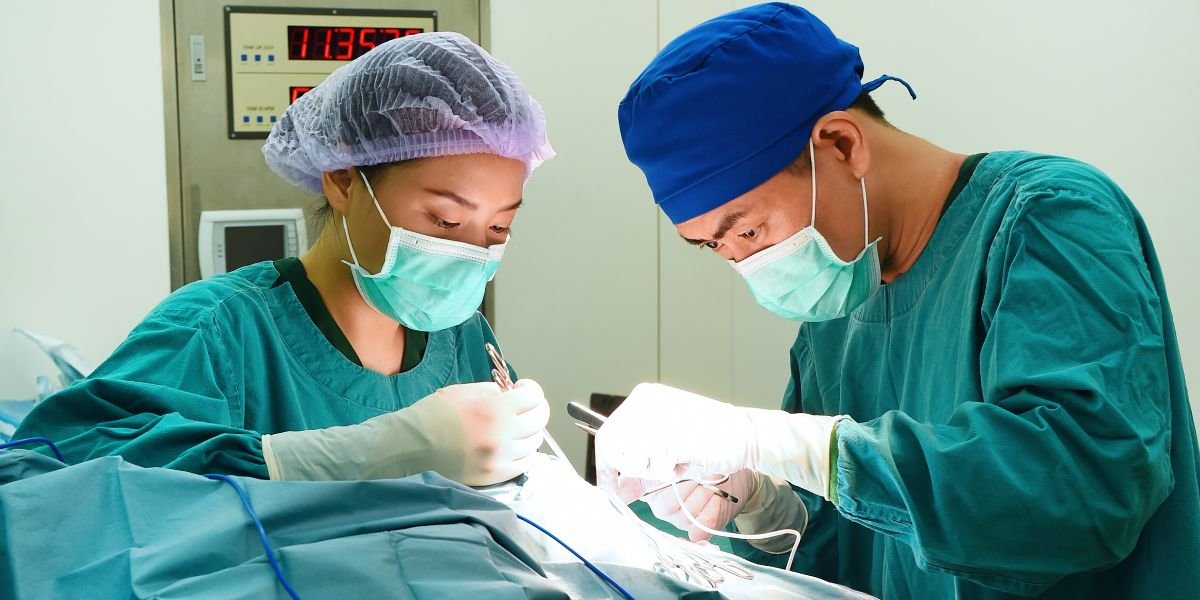
Effective Treatment for Uterine Fibroids While Preserving the Uterus
Myomectomy is a surgical procedure performed to remove uterine fibroids, also known as leiomyomas, while preserving the uterus. Fibroids are non-cancerous growths that develop in or around the uterus and may cause heavy menstrual bleeding, pelvic pain, pressure symptoms, or fertility-related difficulties.
Myomectomy may be recommended for women whose fibroids cause significant symptoms or affect their reproductive plans. The most suitable surgical approach depends on the size, number, and location of the fibroids, as well as the patient’s symptoms and future pregnancy plans.
What Are Uterine Fibroids?
Uterine fibroids are common, non-cancerous growths that develop from the muscle tissue of the uterus. They vary in size and number, and some women may have no symptoms at all.
Depending on their location, fibroids may affect menstrual bleeding, cause pressure on nearby organs, or interfere with fertility and pregnancy in certain cases.
When Is Myomectomy Recommended?
Myomectomy may be considered when uterine fibroids cause:
Heavy or prolonged menstrual bleeding
Pelvic pain or persistent discomfort
A feeling of pressure or fullness in the lower abdomen
Frequent urination due to pressure on the bladder
Difficulty conceiving or certain fertility-related concerns
Recurrent pregnancy-related complications associated with fibroids
Anaemia resulting from heavy menstrual bleeding
Symptoms that do not improve with appropriate non-surgical treatment
Not every fibroid requires surgery. Treatment recommendations depend on symptoms, fibroid characteristics, age, and reproductive goals.
Types of Myomectomy
1. Laparoscopic Myomectomy
Laparoscopic myomectomy is a minimally invasive procedure performed through small incisions in the abdomen using a camera and specialised surgical instruments. The surgeon removes the fibroids and repairs the uterine muscle.
Potential benefits:
Smaller incisions
Less postoperative discomfort in many cases
Shorter hospital stay
Faster recovery compared with open surgery for suitable patients
This approach may be appropriate for selected fibroids, depending on their size, number, and location.
2. Hysteroscopic Myomectomy
Hysteroscopic myomectomy is performed by passing a thin instrument through the vagina and cervix into the uterus. No abdominal incision is required.
It is generally used for suitable fibroids that project into the uterine cavity and may contribute to heavy bleeding or fertility problems.
3. Open Myomectomy
Open myomectomy involves an abdominal incision to access and remove fibroids. It may be recommended when fibroids are very large, numerous, deeply located, or unsuitable for minimally invasive techniques.
The recovery period is generally longer than with minimally invasive approaches.
Benefits of Myomectomy
Myomectomy can offer several benefits for appropriately selected patients:
Removes problematic fibroids while preserving the uterus
May reduce heavy menstrual bleeding and pelvic discomfort
Can relieve pressure symptoms caused by fibroids
May improve fertility in selected cases, particularly when fibroids affect the uterine cavity
Provides an alternative to hysterectomy for women who wish to retain their uterus
The benefits vary depending on the individual condition. Myomectomy does not guarantee pregnancy, and fibroids may develop again after surgery.
How Is Myomectomy Performed?
The procedure is planned according to the patient’s symptoms, imaging findings, and treatment goals.
Preoperative assessment: A medical history, examination, blood tests, and ultrasound or other imaging may be performed.
Anaesthesia: The type of anaesthesia depends on the surgical approach.
Fibroid removal: The surgeon removes the targeted fibroids using the selected technique.
Uterine repair: When required, the uterine muscle is carefully repaired.
Postoperative monitoring: The patient is monitored for bleeding, pain, and other possible complications before discharge.
The duration of surgery and hospital stay varies according to the complexity of the procedure.
Recovery After Myomectomy
Recovery depends on the type of surgery, the number and size of fibroids removed, and the patient’s general health.
After hysteroscopic myomectomy: Recovery is often relatively quick, although mild cramping or spotting may occur.
After laparoscopic myomectomy: Many patients return to routine activities sooner than after open surgery.
After open myomectomy: Recovery generally takes longer and may require several weeks.
Follow your surgeon’s instructions regarding wound care, physical activity, sexual intercourse, and returning to work. Seek medical advice for fever, worsening abdominal pain, heavy bleeding, or unusual discharge.
Myomectomy and Future Pregnancy
Myomectomy may be considered for women who wish to become pregnant in the future. In selected patients, removing fibroids that distort the uterine cavity may improve reproductive outcomes.
However, the effect on fertility depends on several factors, including fibroid location, age, other fertility conditions, and the surgical findings. After surgery, the uterus may need time to heal before attempting pregnancy. The appropriate waiting period and delivery plan should be discussed with the treating gynaecologist.
Possible Risks and Complications
As with any surgery, myomectomy carries potential risks, including:
Bleeding and, rarely, the need for a blood transfusion
Infection
Injury to nearby organs
Scar tissue formation
Anaesthesia-related complications
Recurrence or development of new fibroids
Uterine scarring that may affect future pregnancies
A uterine scar that may influence delivery planning in a future pregnancy
Your doctor will explain the potential benefits and risks based on your medical history and the planned surgical technique.
Myomectomy vs. Hysterectomy
Myomectomy removes fibroids while preserving the uterus. Hysterectomy removes the uterus and is a definitive treatment for uterine fibroids when appropriate.
The choice depends on the severity of symptoms, fibroid characteristics, previous treatments, reproductive plans, and personal preferences. Your gynaecologist can help you compare the available options.
Frequently Asked Questions
1. Can fibroids return after myomectomy?
Yes. Myomectomy removes existing fibroids, but new fibroids may develop later. Follow-up may be recommended based on symptoms and individual risk factors.
2. Is myomectomy a major surgery?
It depends on the approach. Hysteroscopic and laparoscopic procedures are generally less invasive than open surgery, but all approaches have potential risks and require appropriate medical assessment.
3. Can I get pregnant after myomectomy?
Many women can become pregnant after myomectomy, but outcomes depend on age, fibroid location, other fertility factors, and the surgery itself. Pregnancy is not guaranteed.
4. How long does recovery take?
Recovery varies by surgical technique and individual healing. Recovery after hysteroscopic or laparoscopic procedures is often quicker than after open surgery. Your surgeon will provide a personalised timeline.
5. Is myomectomy better than hysterectomy?
Neither option is best for everyone. Myomectomy may suit women who wish to preserve their uterus, while hysterectomy may be appropriate for certain patients seeking definitive treatment. The decision should be made after discussing all suitable options with a gynaecologist.
6. When should I consult a gynaecologist?
Consult a gynaecologist if you experience heavy periods, persistent pelvic pain, abdominal pressure, difficulty conceiving, or symptoms that may be related to uterine fibroids. Seek urgent medical care for very heavy bleeding accompanied by dizziness, fainting, or severe weakness.
Personalised Care for Uterine Fibroids
Every woman’s condition and treatment goals are different. A thorough evaluation can help determine whether monitoring, medication, myomectomy, or another treatment is appropriate.
