
Laparoscopic Myomectomy
- Home
- Laparoscopic Myomectomy
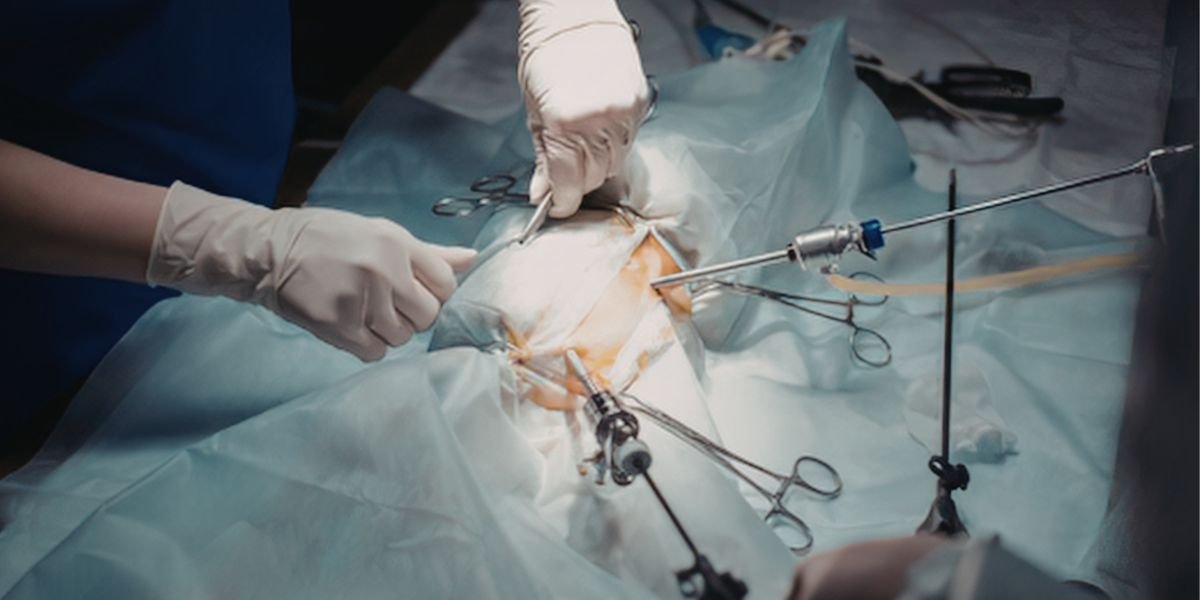
Minimally Invasive Fibroid Removal While Preserving the Uterus
Laparoscopic myomectomy is a minimally invasive surgical procedure used to remove uterine fibroids while preserving the uterus. Unlike a hysterectomy, which removes the uterus, myomectomy specifically targets the fibroids and leaves the uterus in place.
The procedure is performed using a small camera called a laparoscope and specialized surgical instruments inserted through small abdominal incisions. For appropriately selected patients, laparoscopic myomectomy can help relieve symptoms such as heavy menstrual bleeding, pelvic pain, pressure, and other problems caused by fibroids.
Preserving the uterus can also be particularly important for women who wish to maintain the possibility of future pregnancy.
What Are Uterine Fibroids?
Uterine fibroids, also called leiomyomas or myomas, are non-cancerous growths that develop from the muscular tissue of the uterus.
Fibroids can vary considerably in:
- Size
- Number
- Location
- Growth pattern
Some women have a single small fibroid, while others may have multiple fibroids of different sizes.
Many fibroids do not cause symptoms, but larger or strategically located fibroids can affect menstrual bleeding, pelvic comfort, bladder or bowel function, and sometimes fertility.
Common Symptoms of Fibroids
Depending on their size and location, fibroids may cause:
- Heavy or prolonged menstrual bleeding
- Painful periods
- Pelvic pain or pressure
- Lower abdominal discomfort
- Abdominal enlargement or fullness
- Frequent urination
- Difficulty emptying the bladder
- Constipation or pressure on the bowel
- Pain during intercourse
- Anemia caused by heavy menstrual bleeding
- Difficulty becoming pregnant in some cases
Not every fibroid requires surgery. Treatment depends on the symptoms, size and location of the fibroids, age, reproductive plans, and other medical factors.
What Is Laparoscopic Myomectomy?
Laparoscopic myomectomy is a uterus-preserving surgical procedure in which fibroids are removed through small abdominal incisions.
A laparoscope provides a magnified view of the uterus and surrounding pelvic structures. The surgeon carefully separates the fibroid from the surrounding uterine muscle and removes it while preserving as much healthy uterine tissue as possible.
The main objectives are:
Identify the fibroid → Remove the fibroid → Repair the uterus → Preserve the uterus
This makes myomectomy an important treatment option for appropriately selected women who want to retain their uterus.
Types of Fibroids
Fibroids are commonly classified according to where they develop.
1. Submucosal Fibroids
These develop close to or within the inner cavity of the uterus.
They may be associated with:
- Heavy menstrual bleeding
- Irregular bleeding
- Fertility problems
Some submucosal fibroids can be treated through hysteroscopic myomectomy rather than laparoscopic surgery.
2. Intramural Fibroids
These develop within the muscular wall of the uterus.
They can cause:
- Heavy periods
- Pelvic pressure
- Pain
- Enlargement of the uterus
Large or symptomatic intramural fibroids may be considered for laparoscopic myomectomy when technically appropriate.
3. Subserosal Fibroids
These develop toward the outer surface of the uterus.
They may cause pressure symptoms involving nearby organs, such as the bladder or bowel.
When Is Laparoscopic Myomectomy Recommended?
Laparoscopic myomectomy may be considered when fibroids are causing significant symptoms or other problems.
Possible reasons include:
Heavy Menstrual Bleeding
Large or strategically located fibroids can cause excessive menstrual bleeding, potentially leading to iron-deficiency anemia.
Pelvic Pain or Pressure
Fibroids can produce a feeling of heaviness, pressure, or pain in the lower abdomen or pelvis.
Pressure on the Bladder or Bowel
Large fibroids may press against nearby organs and cause:
- Frequent urination
- Difficulty emptying the bladder
- Constipation
- Pelvic pressure
Fertility Concerns
Certain fibroids, particularly those that distort the uterine cavity, may affect fertility or pregnancy.
In selected patients, removing the fibroid may be considered as part of fertility treatment.
Rapidly Enlarging or Large Fibroids
The size and growth pattern of fibroids may influence treatment decisions, although size alone does not automatically mean surgery is required.
How Is Laparoscopic Myomectomy Performed?
The procedure is usually performed under general anesthesia.
Step 1: Small Abdominal Incisions
The surgeon makes several small incisions in the abdomen.
Step 2: Laparoscope Insertion
A thin laparoscope with a camera is inserted through one of the incisions.
The camera provides a magnified view of the uterus and surrounding structures.
Step 3: Surgical Instruments
Specialized instruments are introduced through the other small incisions.
Step 4: Identifying the Fibroid
The surgeon carefully identifies the location, size, and attachment of the fibroid.
Step 5: Removing the Fibroid
The fibroid is separated from the surrounding uterine muscle and removed.
Step 6: Repairing the Uterus
After the fibroid is removed, the uterine muscle is carefully repaired. Proper closure is particularly important for maintaining the strength and integrity of the uterus.
Step 7: Removing the Fibroid
The removed fibroid is taken out through an appropriate route determined by the surgical plan.
Step 8: Completing the Procedure
The surgeon checks the surgical area and closes the small abdominal incisions.
Benefits of Laparoscopic Myomectomy
For appropriately selected patients, laparoscopic myomectomy may provide several advantages compared with open abdominal myomectomy.
Smaller Incisions
The procedure uses several small incisions rather than one large abdominal incision.
Less Postoperative Discomfort
Many patients experience less postoperative pain compared with open surgery.
Reduced Scarring
The abdominal scars are generally smaller.
Shorter Hospital Stay
Many patients can leave the hospital relatively soon after an uncomplicated minimally invasive procedure.
Faster Recovery
Recovery is generally quicker than after open abdominal myomectomy, although the exact time varies from patient to patient.
Uterus Preservation
The uterus remains in place, which is particularly important for women who wish to preserve reproductive potential.
Laparoscopic Myomectomy vs Hysterectomy
The two procedures have a fundamental difference.
| Laparoscopic Myomectomy | Laparoscopic Hysterectomy |
|---|---|
| Removes fibroids | Removes the uterus |
| Uterus is preserved | Uterus is removed |
| Pregnancy may remain possible | Pregnancy is not possible |
| Menstrual periods usually continue | Menstrual periods stop |
| Fibroids can potentially recur | Uterine fibroids cannot recur after complete uterus removal |
| Suitable for selected women who want uterine preservation | Definitive uterine treatment |
Simple explanation:
Myomectomy = Remove the fibroid, preserve the uterus.
Hysterectomy = Remove the uterus.
The appropriate procedure depends on the individual’s symptoms, fibroid characteristics, reproductive plans, age, and overall health.
Laparoscopic Myomectomy and Fertility
One of the major reasons women may choose myomectomy instead of hysterectomy is uterine preservation.
Depending on the location and characteristics of the fibroid, fibroids can sometimes interfere with:
- Implantation
- Normal uterine cavity shape
- Pregnancy
- Fertility
Removing certain fibroids may therefore be considered when they are thought to be contributing to fertility problems.
However, myomectomy does not guarantee pregnancy. Fertility depends on many factors, including:
- Age
- Ovarian reserve
- Fallopian tube function
- Sperm factors
- Endometriosis
- Fibroid location and number
- Other reproductive conditions
A fertility evaluation may be recommended when pregnancy is a priority.
Other Types of Myomectomy
Hysteroscopic Myomectomy
A small camera and instruments are passed through the vagina and cervix into the uterus.
It is generally used for selected fibroids that project into the uterine cavity.
Abdominal/Open Myomectomy
A larger abdominal incision is used to access the uterus.
This approach may be considered when fibroids are very large, numerous, or technically unsuitable for minimally invasive surgery.
Laparoscopic Myomectomy
Small abdominal incisions are used to access the uterus.
It is suitable for selected fibroids based on their number, size, location, and other factors.
Frequently Asked Questions
Usually, yes. Because the uterus is preserved, menstrual periods generally continue.
Pregnancy may be possible after myomectomy. However, individual fertility depends on many factors, and your doctor should advise you about pregnancy timing after surgery.
Yes. New fibroids can develop because the uterus remains.
These procedures have different purposes. Myomectomy preserves the uterus, while hysterectomy removes it. The appropriate option depends on the patient's symptoms, reproductive plans, fibroid characteristics, and medical circumstances.
There is no single number that applies to every patient. The feasibility depends on the number, size, location, and depth of the fibroids, as well as the surgeon's experience.
Some large fibroids can be removed laparoscopically, but not every large fibroid is suitable for this approach. Imaging and surgical assessment are necessary.
Yes, but the scars are generally much smaller than the incision used for open abdominal surgery.
