
Laparoscopic hysterectomy
- Home
- laparoscopic hysterectomy
Minimally Invasive Treatment for Uterine Conditions
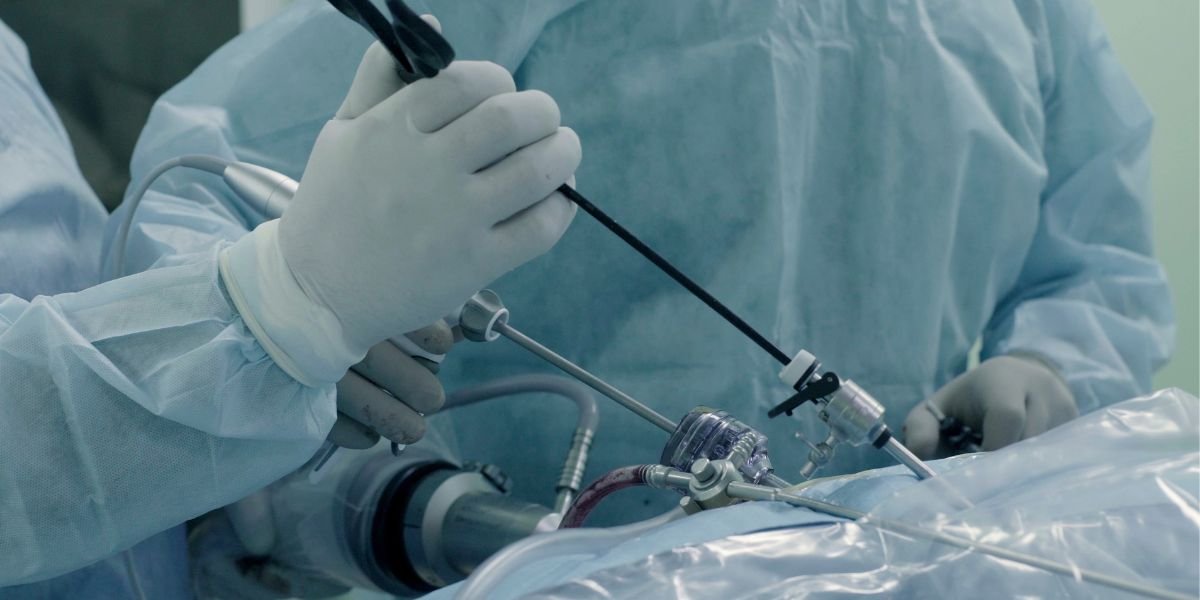
A laparoscopic hysterectomy is a minimally invasive surgical procedure to remove the uterus through small abdominal incisions. Using a tiny camera called a laparoscope and specialized surgical instruments, the surgeon can perform the procedure with greater visualization while avoiding the larger incision associated with traditional open abdominal surgery.
Laparoscopic hysterectomy may be recommended for conditions such as uterine fibroids, heavy or abnormal uterine bleeding, endometriosis, adenomyosis, uterine prolapse, or certain gynecological cancers.
The type of hysterectomy and surgical approach is individualized based on your medical condition, symptoms, age, reproductive plans, previous surgeries, and overall health.
What Is a Laparoscopic Hysterectomy?
A hysterectomy is a surgical procedure in which the uterus (womb) is removed. In a laparoscopic hysterectomy, the surgeon performs the operation through several small incisions rather than one large abdominal incision.
A thin camera provides a magnified view of the pelvic organs, allowing the surgeon to carefully identify and operate on the uterus and surrounding structures.
Depending on the patient’s condition, the surgeon may remove:
- The uterus
- The cervix
- The fallopian tubes
- One or both ovaries, when medically indicated
The exact procedure is discussed with the patient before surgery.
Why Is a Hysterectomy Performed?
A hysterectomy may be recommended when a uterine condition causes significant symptoms or when other treatments have not provided adequate relief.
Common reasons include:
Uterine Fibroids
Fibroids are non-cancerous growths that can cause heavy periods, pelvic pressure, pain, abdominal enlargement, or other symptoms.
Heavy or Abnormal Uterine Bleeding
Persistent heavy or abnormal bleeding may sometimes require surgical treatment, particularly when other treatments have not been successful.
Endometriosis
Endometriosis can cause chronic pelvic pain, painful periods, and other symptoms. In selected patients, hysterectomy may form part of treatment when other options have not provided adequate relief.
Adenomyosis
Adenomyosis occurs when tissue similar to the uterine lining grows into the muscular wall of the uterus. It may cause painful and heavy periods and an enlarged uterus.
Uterine Prolapse
Uterine prolapse occurs when the uterus descends into the vaginal canal because of weakened pelvic support tissues.
Certain Gynecological Cancers
Hysterectomy can be part of treatment for certain cancers of the uterus, cervix, ovaries, or related reproductive organs. The surgical approach depends on the type and stage of cancer.
Types of Hysterectomy
The term hysterectomy can describe several different operations.
Total Hysterectomy
The uterus and cervix are removed.
Supracervical or Subtotal Hysterectomy
The main body of the uterus is removed while the cervix is left in place.
Hysterectomy with Removal of Fallopian Tubes and/or Ovaries
The fallopian tubes and/or ovaries may also be removed when medically appropriate.
Removal of the ovaries is a separate consideration and is not automatically required with every hysterectomy.
Your surgeon will discuss whether the ovaries and fallopian tubes should be preserved or removed based on your age, medical history, risk factors, symptoms, and the reason for surgery.
How Is Laparoscopic Hysterectomy Performed?
The procedure is generally performed under general anesthesia.
Step 1: Small Incisions
The surgeon makes several small incisions in the abdomen.
Step 2: Laparoscope Insertion
A laparoscope, a thin instrument with a camera and light, is inserted through one of the incisions.
The camera provides a magnified view of the pelvic organs on a monitor.
Step 3: Specialized Instruments
Additional small instruments are inserted through the other incisions.
Step 4: Separating the Uterus
The surgeon carefully separates the uterus from the surrounding tissues and supporting structures.
Step 5: Removing the Uterus
Depending on the surgical technique and the size of the uterus, the uterus may be removed through the vagina or through another appropriate route.
Step 6: Completing the Procedure
The surgeon checks the surgical area for bleeding and closes the small abdominal incisions.
Benefits of Laparoscopic Hysterectomy
Compared with traditional open abdominal hysterectomy, laparoscopic surgery generally offers several potential advantages:
- Smaller abdominal incisions
- Less postoperative discomfort for many patients
- Reduced scarring
- Shorter hospital stay in many cases
- Earlier return to normal daily activities
- Reduced wound-related problems
- Faster recovery compared with open abdominal surgery in appropriately selected patients
However, laparoscopic surgery is not suitable for every patient. The safest approach depends on the patient’s individual condition and the surgeon’s assessment.
Laparoscopic Hysterectomy vs Open Hysterectomy
| Feature | Laparoscopic Hysterectomy | Open Abdominal Hysterectomy |
|---|---|---|
| Incisions | Several small incisions | One larger abdominal incision |
| Scarring | Generally smaller scars | Larger scar |
| Postoperative pain | Often less | Usually more |
| Hospital stay | Often shorter | Usually longer |
| Recovery | Generally faster | Generally longer |
| Surgical visualization | Magnified camera view | Direct surgical view |
| Suitable for everyone? | No | May be preferred in some complex cases |
Your gynecologist will recommend the approach based on factors such as uterine size, underlying disease, previous abdominal surgeries, pelvic anatomy, suspected cancer, and overall health.
Frequently Asked Questions
Some discomfort is expected after surgery, but laparoscopic surgery generally involves smaller incisions than open abdominal surgery. Your medical team will provide pain-control medication and instructions.
The number varies according to the surgical technique and surgeon, but several small abdominal incisions are commonly used.
No. Once the uterus has been removed, menstrual periods stop.
Not necessarily. If the ovaries are preserved, hysterectomy itself does not necessarily cause immediate menopause.
Fibroids arising from the uterus cannot recur after the uterus has been completely removed.
Hysterectomy does not necessarily eliminate endometriosis located outside the uterus. Endometriosis may persist or recur depending on the individual situation.
Sexual activity is generally restricted during the initial healing period. Your surgeon will tell you when it is safe to resume sexual activity based on your specific operation and recovery.
Hospital stay varies according to the surgical approach, your health, and the complexity of the procedure. Many patients undergoing uncomplicated minimally invasive hysterectomy can go home relatively soon after surgery, but your surgeon will determine when discharge is appropriate.
