
Abnormal Bleeding/Fibroids
- Home
- Abnormal Bleeding/Fibroids
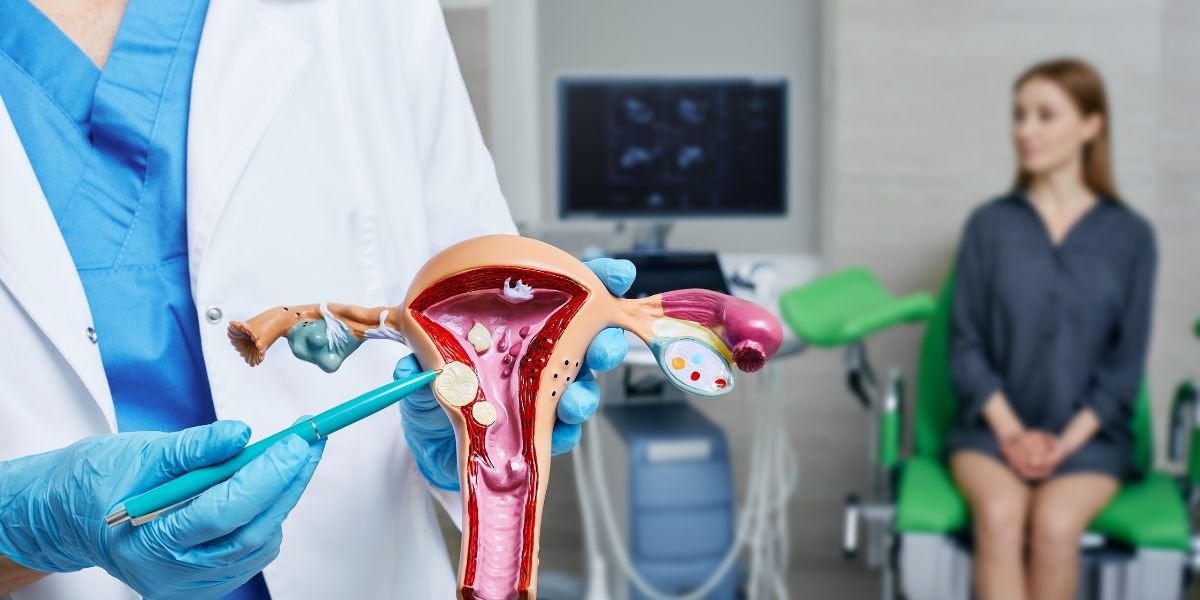
Expert Care for Menstrual Problems and Uterine Fibroids
Abnormal uterine bleeding and uterine fibroids are common gynaecological concerns that can affect a woman’s comfort, daily activities, and overall well-being. Heavy periods, irregular menstrual cycles, prolonged bleeding, and pelvic discomfort should not be ignored.
With timely evaluation and personalised treatment, many of these conditions can be effectively managed. Our approach focuses on identifying the underlying cause, relieving symptoms, and supporting your reproductive and long-term health.
What Is Abnormal Uterine Bleeding?
Abnormal uterine bleeding refers to menstrual bleeding that differs from your usual pattern in terms of duration, frequency, regularity, or amount. It may occur due to hormonal changes, uterine fibroids, polyps, thyroid conditions, or other gynaecological problems.
Common Symptoms of Abnormal Bleeding
Heavy menstrual bleeding or passing large blood clots
Periods lasting longer than usual
Irregular or unpredictable menstrual cycles
Bleeding between periods
Bleeding after sexual intercourse
Menstrual cramps or pelvic discomfort
Tiredness, weakness, or breathlessness due to anaemia
Any bleeding after menopause should be evaluated promptly by a healthcare professional.
What Are Uterine Fibroids?
Uterine fibroids are non-cancerous growths that develop in or around the uterus. They vary in size, number, and location. Some women may not experience any symptoms, while others may have heavy periods, pelvic pressure, pain, or fertility-related concerns.
Common Symptoms of Uterine Fibroids
Heavy or prolonged menstrual periods
Pelvic pain, pressure, or a feeling of fullness
Frequent urination
Lower back discomfort
Abdominal swelling or enlargement
Pain during sexual intercourse
Difficulty conceiving in some cases
The symptoms depend on the size and location of the fibroids. Not every fibroid requires treatment.
Causes and Risk Factors
Abnormal uterine bleeding can be associated with hormonal imbalances, ovulation problems, thyroid disorders, uterine polyps, fibroids, certain medications, and other medical conditions.
The exact cause of uterine fibroids is not fully understood. Hormonal influences, family history, and other biological factors may contribute to their development.
A proper gynaecological assessment helps identify the cause and determine the most suitable treatment.
Diagnosis and Evaluation
The evaluation depends on your symptoms, age, medical history, and reproductive goals. It may include:
Medical history: Understanding menstrual patterns, bleeding severity, and associated symptoms.
Physical examination: Assessing relevant signs and pelvic concerns.
Blood tests: Checking for anaemia, thyroid problems, or other conditions when indicated.
Pelvic ultrasound: Evaluating the uterus, endometrial lining, and possible fibroids.
Additional investigations: Hysteroscopy, endometrial sampling, or other tests may be recommended in selected cases.
Early assessment can help prevent complications such as iron-deficiency anaemia and identify conditions that need specific treatment.
Treatment for Abnormal Uterine Bleeding
Treatment is based on the underlying cause, severity of bleeding, overall health, and whether you wish to become pregnant.
Medical Management
Depending on the diagnosis, treatment may include medicines to reduce bleeding, hormonal treatments to regulate menstrual cycles, or iron supplementation when iron deficiency is present.
Treatment of the Underlying Cause
If bleeding is related to thyroid problems, polyps, fibroids, or another condition, managing that cause may help improve symptoms.
Procedural or Surgical Treatment
When medication is unsuitable or ineffective, certain procedures or surgery may be considered. The recommended option depends on the diagnosis and individual circumstances.
Treatment Options for Uterine Fibroids
1. Monitoring and Regular Follow-Up
Fibroids that do not cause significant symptoms may only require observation and periodic assessment.
2. Medication
Medicines may help manage heavy bleeding, pain, or other symptoms. Some treatments can temporarily reduce fibroid size, but the effects and suitability vary.
3. Minimally Invasive Procedures
Selected patients may be suitable for procedures such as hysteroscopic fibroid removal or other fibroid-directed treatments, depending on the location and size of the growths.
4. Surgical Treatment
Myomectomy removes fibroids while preserving the uterus and may be considered for women who wish to retain fertility. Hysterectomy, which removes the uterus, may be an option for certain patients who do not wish to become pregnant in the future and have appropriate indications.
The best treatment is chosen after discussing the benefits, risks, alternatives, and future pregnancy plans.
When Should You Consult a Gynaecologist?
Consider an appointment if you experience:
Repeatedly heavy or prolonged periods
Bleeding between menstrual cycles
Persistent pelvic pain or pressure
Period-related weakness or fatigue
Fibroids that are increasing in size or causing symptoms
Menstrual changes that interfere with daily life
Seek urgent medical care if bleeding is very heavy, you feel faint or dizzy, experience severe pelvic pain, or have bleeding with possible pregnancy. Any bleeding after menopause also needs prompt medical assessment.
Our Approach to Gynaecological Care
Every woman’s symptoms and treatment needs are different. Our approach includes careful evaluation, clear explanations, and a personalised management plan based on the cause of the problem, symptom severity, and reproductive goals.
Whether you need menstrual bleeding assessment, fibroid monitoring, medical treatment, or consideration of a procedure, the aim is to help you make informed decisions about your health.
Frequently Asked Questions
1. What is considered abnormal uterine bleeding?
Bleeding may be considered abnormal when periods are unusually heavy, prolonged, irregular, occur between periods, or happen after menopause. A healthcare professional can assess the cause.
2. Can uterine fibroids cause heavy periods?
Yes. Fibroids, particularly those that affect the uterine cavity, can cause heavy or prolonged menstrual bleeding.
3. Are uterine fibroids cancerous?
Most uterine fibroids are non-cancerous. Any unusual growth or concerning symptoms should still be evaluated by a qualified clinician.
4. Do all fibroids need treatment?
No. Fibroids without significant symptoms may only require monitoring. Treatment is considered based on symptoms, size, location, growth, and individual needs.
5. Can fibroids affect fertility?
Some fibroids, particularly those that distort the uterine cavity, may affect fertility or pregnancy outcomes. The impact depends on their location and other individual factors.
6. Can fibroids be treated without surgery?
Yes. Monitoring and medication can help manage selected cases. However, medicines may not permanently remove fibroids, and some patients may need a procedure or surgery.
7. Can abnormal bleeding cause anaemia?
Yes. Persistent heavy menstrual bleeding can lead to iron deficiency and anaemia, which may cause fatigue, weakness, dizziness, or breathlessness.
8. Will fibroids come back after treatment?
Fibroids may develop or grow again after some treatments, particularly after myomectomy. The likelihood depends on individual factors and the type of treatment.
9. When should I worry about bleeding after menopause?
Any vaginal bleeding after menopause should be assessed promptly, even if it happens only once or is very light.
10. How is the right treatment selected?
Treatment depends on the cause of bleeding, fibroid size and location, symptoms, age, medical history, and whether you plan to have children.
