
Antenatal Yoga
- Home
- Antenatal Yoga
Obstetrics
High Risk Pregnancy Ectopic Pregnancy Placenta Issues Cesarean Section Normal Delivery VBAC Painless Vaginal Delivery Preeclampsia Eclampsia Medical Disorders in Pregnancy Hypertensive Disorders in Pregnancy Postpartum Care Ectopic Pregnancy / GTT MTP Early Detection & Treatment Pre-conceptional Counselling Prenatal Care Postpartum Hemorrhage Treatment Antenatal Yoga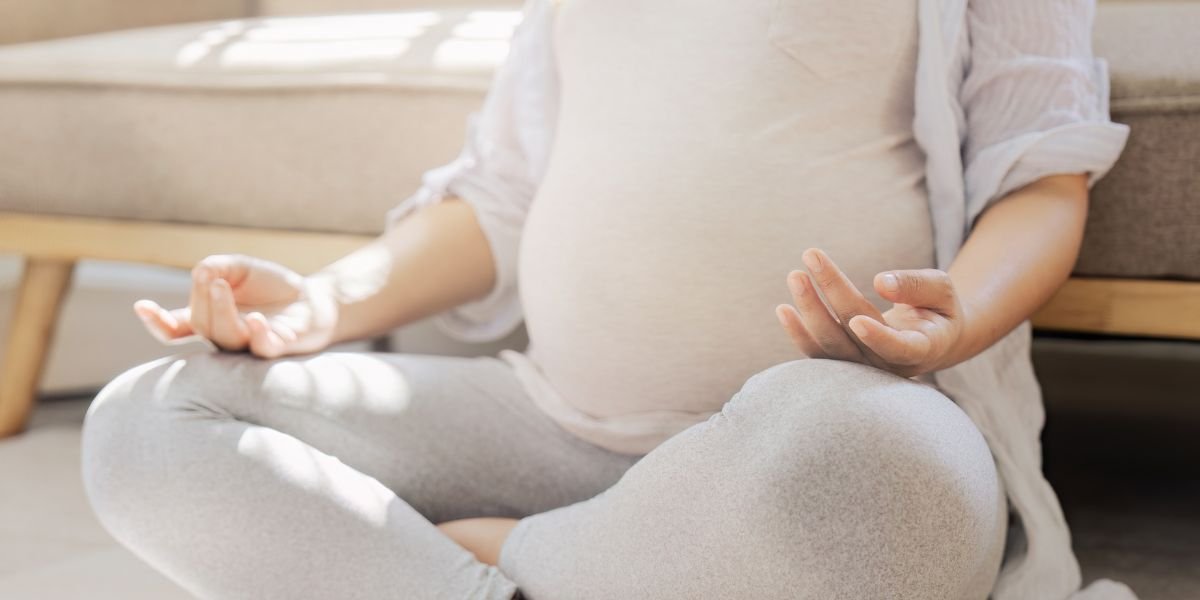
Gentle & Safe Yoga Support for a Healthy Pregnancy
Pregnancy is a time of significant physical and emotional change. Antenatal yoga, also known as prenatal yoga, is a form of gentle exercise designed to support women during pregnancy through appropriate movement, breathing techniques, relaxation and mindfulness.
When performed appropriately and with guidance from a qualified professional, antenatal yoga may help improve flexibility, strength, posture, relaxation and overall wellbeing during pregnancy.
Every pregnancy is different, so the type and intensity of physical activity should be adapted according to the mother’s health, stage of pregnancy and medical condition.
What Is Antenatal Yoga?
Antenatal yoga is a pregnancy-specific form of yoga that uses modified:
Yoga postures
Gentle stretching
Breathing exercises
Relaxation techniques
Mindfulness
Pelvic floor awareness
Gentle strengthening movements
The exercises are adapted as pregnancy progresses to accommodate the growing abdomen and changing balance, posture and physical needs.
The goal is not advanced yoga practice. It is to promote comfortable movement, relaxation and physical wellbeing during pregnancy.
Benefits of Antenatal Yoga
With appropriate guidance, antenatal yoga may help support:
Improved Flexibility
Gentle stretching can help maintain flexibility and comfortable movement as the body changes during pregnancy.
Better Posture
Pregnancy can alter posture and place additional stress on the back and pelvis. Appropriate exercises may help improve body awareness and posture.
Reduced Muscle Tension
Gentle movement and stretching may help relieve common pregnancy-related muscle tension and discomfort.
Better Relaxation
Breathing and relaxation techniques can help women develop strategies for managing stress and promoting calmness.
Improved Strength
Modified yoga movements can help maintain strength in areas such as the legs, hips, back and core, depending on the individual’s pregnancy and fitness level.
Pelvic Floor Awareness
Pregnancy-specific exercise may help women become more aware of their pelvic floor muscles and learn appropriate pelvic floor exercises.
Better Sleep and Wellbeing
Regular, appropriate physical activity and relaxation practices may support overall wellbeing and sleep during pregnancy.
Antenatal Yoga During Different Stages of Pregnancy
Yoga practices should be modified as pregnancy progresses.
First Trimester
During early pregnancy, the focus may be on:
Gentle movement
Relaxation
Breathing exercises
Maintaining comfortable activity
Avoiding overheating and excessive exertion
Women experiencing significant nausea, vomiting, fatigue or pregnancy complications may need to modify or temporarily avoid exercise.
Second Trimester
As the abdomen grows, yoga can be adapted to focus on:
Gentle strengthening
Hip and pelvic mobility
Back comfort
Posture
Breathing
Relaxation
Balance and body awareness
Certain positions may need to be modified to maintain comfort and safety.
Third Trimester
During the later stages of pregnancy, the focus may include:
Gentle mobility
Comfortable stretching
Relaxation
Breathing techniques
Pelvic floor awareness
Posture
Preparing mentally for labour
Movements should be gentle and comfortable, with particular attention to balance and avoiding falls.
Common Antenatal Yoga Practices
A pregnancy yoga programme may include a combination of the following.
Gentle Standing Poses
Modified standing movements may help maintain leg strength, balance and mobility.
Supported Squats
When appropriate, supported squatting movements may help strengthen the lower body and improve pelvic mobility.
Cat-Cow Movement
Gentle spinal movement can help improve mobility and may provide comfort for some women experiencing back stiffness.
Side-Lying Exercises
Side-lying positions can be used for gentle strengthening and stretching while providing support as pregnancy progresses.
Pelvic Floor Exercises
Pelvic floor exercises may help women develop awareness and strength of the muscles that support the bladder, bowel and pelvic organs.
Breathing Exercises
Controlled breathing can promote relaxation and help women become familiar with breathing techniques that may be useful during labour.
Relaxation and Mindfulness
Guided relaxation and mindfulness may help reduce stress and promote emotional wellbeing.
Breathing Techniques During Pregnancy
Breathing exercises are an important part of antenatal yoga.
Gentle breathing practices may help with:
Relaxation
Body awareness
Stress management
Preparation for labour
Maintaining calm during uncomfortable moments
Breathing exercises should always be comfortable.
Avoid forceful breath-holding or intense breathing techniques during pregnancy unless specifically recommended by a qualified healthcare professional.
Antenatal Yoga and Labour Preparation
Antenatal yoga is not a guarantee of an easier or shorter labour. However, it can help women develop useful physical and mental skills for pregnancy and childbirth.
Yoga-based preparation may include:
Breathing awareness
Relaxation techniques
Comfortable movement
Pelvic mobility
Body awareness
Mindfulness
Learning to relax during contractions
These techniques may complement, but do not replace, appropriate maternity care.
Can Antenatal Yoga Help With Back Pain?
Back discomfort is common during pregnancy because of changes in posture, body weight and ligaments.
Appropriate pregnancy exercises may help some women maintain mobility and strengthen supportive muscles.
However, severe, persistent or unusual back pain should be assessed by a healthcare professional rather than treated only with exercise.
Antenatal Yoga and Pelvic Floor Health
The pelvic floor supports the bladder, bowel and reproductive organs.
Pregnancy and childbirth place additional demands on these muscles.
Antenatal care may include education about:
Pelvic floor awareness
Correct pelvic floor contraction and relaxation
Appropriate strengthening exercises
Relaxation of the pelvic floor when needed
A qualified professional can help ensure exercises are performed correctly.
Is Antenatal Yoga Safe?
For many women with an uncomplicated pregnancy, appropriately modified physical activity can be beneficial.
However, not every yoga practice is suitable during pregnancy.
Pregnancy yoga should be adapted to:
Gestational age
Fitness level
Pregnancy symptoms
Medical history
Previous pregnancy complications
Current pregnancy complications
It is important to discuss exercise with your obstetrician, particularly if you have a high-risk pregnancy or any medical concerns.
Yoga Practices to Avoid During Pregnancy
Certain activities may not be appropriate during pregnancy.
These may include:
Overly strenuous exercise
Activities with a high risk of falling
Contact or collision activities
Exercises that cause significant abdominal pressure or discomfort
Excessive stretching
Breath-holding or forceful breathing practices
Hot yoga or activities that may cause overheating
Positions that cause dizziness, pain or breathing difficulty
Yoga should never be performed through pain or significant discomfort.
When Should You Stop Yoga?
Stop exercising and seek medical advice if you experience concerning symptoms such as:
Vaginal bleeding
Leakage of fluid
Regular painful contractions
Dizziness or fainting
Chest pain
Significant shortness of breath
Severe abdominal or pelvic pain
Severe headache
Significant weakness
Reduced fetal movements later in pregnancy
If symptoms are severe or you feel that something is seriously wrong, seek immediate medical attention.
Antenatal Yoga in High-Risk Pregnancy
Women with high-risk pregnancies may require individualized advice before starting or continuing exercise.
Extra caution may be needed in conditions such as:
Placenta previa after the stage when exercise may be restricted
Significant bleeding
Certain heart or lung conditions
Risk of preterm labour
Cervical insufficiency
Pregnancy-related hypertension
Multiple pregnancy with specific complications
Fetal growth concerns
Other conditions requiring activity restriction
Your obstetrician can advise whether antenatal yoga is appropriate and which activities should be modified or avoided.
Tips for Practising Antenatal Yoga
For a comfortable and safer practice:
Choose Pregnancy-Specific Classes
Look for a qualified instructor experienced in prenatal or antenatal yoga.
Stay Hydrated
Drink adequate fluids before, during and after exercise.
Avoid Overheating
Exercise in a comfortable, well-ventilated environment and avoid hot yoga.
Wear Comfortable Clothing
Choose clothing that allows unrestricted movement and provides appropriate support.
Use Support
Yoga blocks, cushions, chairs or other supports may help maintain balance and comfort.
Listen to Your Body
Pregnancy is not the time to push through pain or compete with others.
Modify as Pregnancy Progresses
A posture that was comfortable earlier in pregnancy may need to be changed later.
Antenatal Yoga and Mental Wellbeing
Pregnancy can bring excitement as well as anxiety and emotional stress.
Relaxation, breathing and mindfulness practices may help women develop healthy ways to manage everyday stress.
Antenatal yoga can complement emotional support during pregnancy, but persistent anxiety, depression or significant emotional distress should be discussed with a healthcare professional.
Frequently Asked Questions
1. What is antenatal yoga?
Antenatal yoga is a pregnancy-specific form of yoga involving modified movements, gentle stretching, breathing, relaxation and mindfulness.
2. Can I start yoga during pregnancy if I have never done yoga before?
Many women can begin gentle pregnancy-appropriate exercise during pregnancy, but it is advisable to discuss starting a new exercise programme with your healthcare provider.
3. Is antenatal yoga safe during pregnancy?
For many women with uncomplicated pregnancies, appropriately modified exercise can be safe. Individual medical circumstances should always be considered.
4. Can antenatal yoga help with normal delivery?
Yoga cannot guarantee a vaginal delivery or a particular labour outcome. It may, however, support mobility, relaxation, strength and preparation for labour.
5. Can antenatal yoga reduce back pain?
Gentle, appropriate exercises may help some women manage pregnancy-related back discomfort. Persistent or severe pain should be medically assessed.
6. Can I do yoga during the first trimester?
Some women can continue or begin appropriate gentle exercise during the first trimester. The intensity should be suitable for the individual pregnancy.
7. Can I do yoga in the third trimester?
Yes, many women can continue modified prenatal yoga during the third trimester if their pregnancy allows it. Positions and intensity should be adapted for comfort and balance.
8. Can yoga help with stress during pregnancy?
Breathing, relaxation and mindfulness practices may support relaxation and stress management during pregnancy.
9. Should I avoid hot yoga during pregnancy?
Hot yoga and activities that may cause overheating are generally not recommended during pregnancy.
10. Can I do normal yoga poses during pregnancy?
Many traditional poses require modification during pregnancy. Pregnancy-specific guidance is recommended to avoid positions that may be uncomfortable or unsuitable.
11. Can antenatal yoga help strengthen the pelvic floor?
Pregnancy exercise programmes may include pelvic floor exercises and awareness. Correct technique is important.
12. Can I practise yoga if I have a high-risk pregnancy?
It depends on the specific condition. Women with high-risk pregnancies should obtain individualized medical advice before exercising.
13. How often should I practise antenatal yoga?
The appropriate frequency depends on your previous activity level, pregnancy and overall health. Your healthcare provider or qualified prenatal yoga instructor can guide you.
14. Should I stop yoga if I feel pain?
Yes. Exercise should not cause significant pain. Stop the activity and seek medical advice if pain persists or is accompanied by other concerning symptoms.
15. Can antenatal yoga replace regular prenatal care?
No. Antenatal yoga is complementary to medical care and does not replace regular prenatal check-ups, investigations or obstetric advice.
Our Approach to Antenatal Wellness
We believe pregnancy exercise should be safe, individualized and appropriate for each stage of pregnancy.
Our approach focuses on:
Pregnancy-appropriate physical activity
Individual assessment
Gentle movement and flexibility
Breathing and relaxation
Pelvic floor awareness
Posture and mobility
Emotional wellbeing
Guidance for high-risk pregnancies when appropriate
Coordination with regular prenatal care
Every pregnancy is unique, and exercise recommendations should be personalized accordingly.
