
Vaccinations
- Home
- Vaccinations
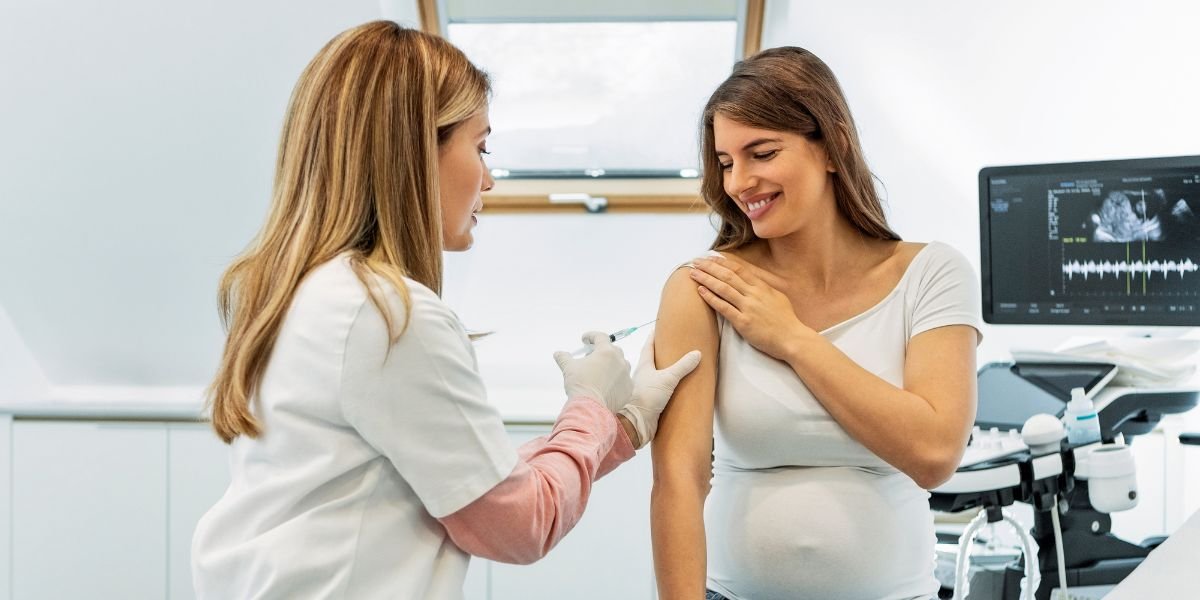
Protecting Women’s Health Through Preventive Care
Vaccination is an important part of preventive healthcare for women at different stages of life. Certain vaccines help protect against infections that may affect reproductive health, pregnancy, and overall well-being.
At Dr. Amarjeet’s gynaecology practice, vaccination guidance can help women understand which vaccines may be appropriate based on their age, medical history, pregnancy status, previous immunisations, and individual risk factors.
Why Are Vaccinations Important for Women?
Vaccines help the immune system recognise and fight specific infections. Staying up to date with recommended vaccinations can reduce the risk of certain preventable diseases and their complications.
Vaccination may be particularly important for women who are planning a pregnancy, are pregnant, have certain medical conditions, or have not completed their recommended immunisation schedule.
Important Vaccines for Women’s Health
1. HPV Vaccine
The human papillomavirus (HPV) vaccine helps protect against HPV types that cause most cervical cancers and several other HPV-related cancers and diseases.
Recommended routinely before exposure to HPV, generally during adolescence.
Catch-up vaccination may be appropriate for eligible individuals who were not vaccinated earlier.
The vaccine works best when given before exposure to the virus.
It does not treat an existing HPV infection or replace recommended cervical cancer screening.
The appropriate age range and dose schedule depend on national guidelines, age at the first dose, and individual circumstances.
2. Influenza Vaccine
Influenza vaccination helps protect against seasonal flu and may reduce the risk of severe illness. Influenza can be more serious during pregnancy.
An appropriate seasonal influenza vaccine is generally recommended during pregnancy, according to current local guidance and individual medical advice.
3. Tetanus, Diphtheria and Pertussis Vaccination
Vaccines that protect against tetanus, diphtheria, and pertussis help prevent serious infections. During pregnancy, pertussis vaccination may also help protect the newborn during the first months of life.
The recommended vaccine type and timing during pregnancy vary by country and current clinical guidance. Your healthcare professional can advise you on the appropriate schedule.
4. Hepatitis B Vaccine
Hepatitis B vaccination helps protect against a viral infection that affects the liver and can become chronic. Vaccination may be recommended for women who have not completed the series or who have particular risk factors.
Testing and vaccination decisions may be advised according to medical history, exposure risk, and pregnancy status.
5. Rubella and Varicella Vaccines
Rubella and chickenpox (varicella) infections can pose risks during pregnancy, particularly when a woman is not immune.
Women planning a pregnancy may be advised to review their immunity and vaccination history. The MMR vaccine, which protects against measles, mumps, and rubella, and the varicella vaccine are live vaccines and should not be given during pregnancy. If needed, they may be considered before pregnancy or after delivery under medical guidance.
After receiving a live vaccine, follow your clinician’s advice on how long to wait before trying to conceive.
6. Other Vaccines
Depending on age, health conditions, travel, exposure risks, and previous vaccinations, other vaccines may be appropriate. These may include vaccines against hepatitis A, pneumococcal disease, meningococcal disease, or other infections.
Not every vaccine is required for every woman. Recommendations should be individualised using current national guidance.
Vaccination Before Pregnancy
Pre-pregnancy counselling provides an opportunity to review immunisation records and identify any vaccines that may be needed before conception.
During a pre-pregnancy visit, your healthcare professional may:
Review previous vaccinations and medical history.
Assess immunity to infections such as rubella or varicella when indicated.
Discuss HPV vaccination eligibility.
Recommend appropriate vaccines before pregnancy.
Explain timing and precautions for vaccines that should not be administered during pregnancy.
Planning ahead can help women complete any necessary vaccinations at the appropriate time.
Vaccination During Pregnancy
Some vaccines are recommended during pregnancy because they protect the mother and may also provide protection to the newborn. Others, particularly live vaccines, are generally avoided during pregnancy.
The choice and timing of vaccination depend on the vaccine, pregnancy stage, local recommendations, previous immunisation, and individual risk factors.
Always inform your healthcare professional that you are pregnant or planning pregnancy before receiving a vaccine.
Are Vaccines Safe?
Recommended vaccines are evaluated for safety and effectiveness. Most side effects are mild and temporary, such as soreness at the injection site, tiredness, or a low-grade fever.
Serious allergic reactions are rare but require immediate medical attention. If you have previously experienced a severe reaction to a vaccine or any of its ingredients, tell your healthcare professional before vaccination.
Your clinician can explain the expected benefits, possible side effects, and any precautions relevant to your health.
Frequently Asked Questions
1. Which vaccines are important for women?
Important vaccines may include HPV, influenza, hepatitis B, and vaccines recommended during pregnancy. Other vaccines may be appropriate depending on age, medical history, and risk factors.
2. Should I get vaccinated before planning a pregnancy?
It is helpful to review your vaccination history during pre-pregnancy counselling. Some vaccines are best given before conception, particularly those that should not be administered during pregnancy.
3. Can I receive vaccines during pregnancy?
Yes, certain vaccines are recommended during pregnancy, depending on current local guidance. Live vaccines such as MMR and varicella are generally avoided during pregnancy. Ask your healthcare professional which vaccines are suitable for you.
4. Does the HPV vaccine prevent cervical cancer?
The HPV vaccine helps prevent infections from HPV types responsible for most cervical cancers. It significantly reduces risk but does not eliminate it, so recommended cervical screening remains important.
5. Can vaccines cause side effects?
Mild, temporary effects such as injection-site pain or tiredness can occur. Serious reactions are rare. Discuss any previous vaccine reactions or relevant allergies with your healthcare professional.
6. Where can I get personalised vaccination advice?
A gynaecologist or other qualified healthcare professional can review your vaccination records, assess your needs, and advise you on an appropriate schedule based on current recommendations.
Take a Proactive Approach to Women’s Health
Vaccination is an important part of preventive care at every stage of a woman’s life. The right guidance can help you make informed decisions about protecting yourself and planning for a healthy pregnancy when desired.
