
PCOS/PCOD Treatment
- Home
- PCOS/PCOD Treatment
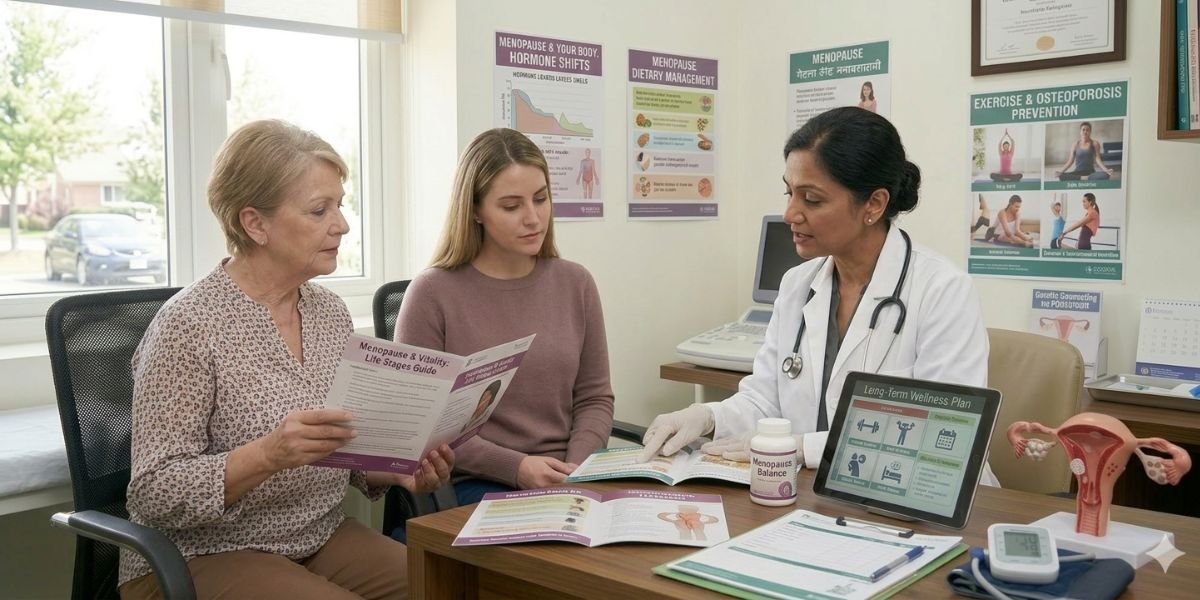
Personalized Care for Hormonal Balance, Menstrual Health & Fertility
Polycystic Ovary Syndrome (PCOS), also commonly known as PCOD, is a hormonal condition that can affect menstrual cycles, ovulation, skin health, weight and fertility. Symptoms vary from woman to woman, and not everyone with PCOS experiences the same concerns.
With appropriate diagnosis, lifestyle guidance and individualized treatment, many women can manage their symptoms and maintain good long-term health.
What Is PCOS?
PCOS is a common hormonal and metabolic condition that affects the functioning of the ovaries. It may cause irregular ovulation, elevated androgen levels and, in some women, a polycystic appearance of the ovaries on ultrasound.
Despite its name, not every woman with PCOS has ovarian cysts. Diagnosis is based on appropriate clinical assessment rather than ultrasound alone.
Common Symptoms of PCOS
Symptoms can vary depending on hormonal changes and individual health.
Common symptoms include:
Irregular or missed periods
Excess facial or body hair
Acne and oily skin
Thinning scalp hair
Difficulty conceiving
Weight gain or difficulty managing weight
Darkened skin around the neck or underarms
Insulin resistance
Mood changes in some women
If you experience persistent menstrual irregularities or other symptoms, a gynecological assessment can help identify the underlying cause.
What Causes PCOS?
The exact cause of PCOS is not fully understood. Several factors may contribute, including:
Hormonal imbalance
Insulin resistance
Genetic predisposition
Metabolic factors
Increased androgen levels
PCOS is not caused by a single lifestyle factor, and symptoms can occur in women of different body sizes.
How Is PCOS Diagnosed?
There is no single test that diagnoses PCOS in every woman. Diagnosis usually involves a combination of medical history, examination and selected investigations.
Medical History
Your doctor may ask about:
Menstrual cycle patterns
Acne or unwanted hair growth
Weight changes
Fertility concerns
Family history
Current medications
Blood Tests
Depending on your symptoms, investigations may include hormone tests, blood glucose testing, cholesterol levels and other tests to rule out conditions that can resemble PCOS.
Pelvic Ultrasound
An ultrasound may be recommended to assess the ovaries and reproductive organs when clinically appropriate. Ultrasound findings alone do not confirm PCOS.
PCOS Treatment Options
There is no single treatment suitable for every woman with PCOS. Treatment is based on symptoms, age, medical history and whether pregnancy is desired.
1. Lifestyle Management
Lifestyle measures can support metabolic health and help manage PCOS symptoms.
Your doctor may recommend:
Balanced nutrition
Regular physical activity
Adequate sleep
Stress management
Sustainable weight management when appropriate
Lifestyle changes can benefit women with PCOS regardless of whether significant weight loss is needed.
2. Treatment for Irregular Periods
Irregular periods may occur when ovulation is infrequent.
Depending on individual circumstances, treatment may include hormonal contraceptives or prescribed progestogen to help regulate bleeding and protect the uterine lining.
Persistent missed periods should be assessed rather than ignored.
3. Treatment for Acne & Excess Hair Growth
When PCOS causes acne or unwanted facial and body hair, treatment may include:
Hormonal medication when appropriate
Dermatological treatment
Hair-removal options
Other prescribed medicines based on individual needs
Some treatments are unsuitable during pregnancy, so pregnancy plans should always be discussed with your doctor.
4. Managing Insulin Resistance
Some women with PCOS have insulin resistance or an increased risk of developing type 2 diabetes.
Management may involve lifestyle changes, screening for blood sugar abnormalities and medication such as metformin when clinically appropriate.
Medication decisions depend on individual symptoms, test results and medical history.
5. PCOS Treatment for Pregnancy
PCOS can affect ovulation and make conception more difficult for some women. However, many women with PCOS conceive naturally or with treatment.
Fertility care may include:
Assessment of ovulation
Review of other fertility factors
Lifestyle guidance
Ovulation-induction medication
Monitoring during treatment
Referral for additional fertility treatment when needed
Letrozole is commonly recommended as a first-line ovulation-induction medicine for many women with PCOS-related anovulatory infertility when there are no other infertility factors. It must be prescribed and monitored by a qualified clinician.
Can PCOS Be Cured?
PCOS is generally a long-term condition, but its symptoms can often be managed effectively.
Treatment focuses on controlling symptoms, supporting regular menstrual health, improving metabolic health and addressing fertility goals.
The treatment plan may change over time as your health needs and reproductive plans change.
PCOS & Weight Management
Some women with PCOS experience weight gain or difficulty managing weight, while others do not.
A personalized plan may include balanced meals, physical activity, adequate sleep and support for sustainable health habits.
Weight alone does not determine whether a woman has PCOS, and treatment should not focus exclusively on weight loss.
PCOS & Pregnancy
PCOS may affect ovulation and increase the risk of certain pregnancy complications, including gestational diabetes and hypertensive disorders in some women.
Preconception care may include:
Review of menstrual and fertility history
Blood pressure assessment
Blood sugar screening
Medication review
Nutritional guidance
Ovulation and fertility evaluation when required
Appropriate care can help women with PCOS prepare for pregnancy.
Long-Term Health & Follow-Up
PCOS can be associated with an increased risk of certain long-term health concerns, including type 2 diabetes, abnormal cholesterol levels and endometrial problems related to prolonged absence of periods.
Depending on your symptoms and risk factors, your doctor may recommend:
Periodic blood pressure checks
Blood glucose assessment
Cholesterol testing
Monitoring of menstrual cycles
Evaluation of persistent abnormal bleeding
Ongoing review of treatment
Regular follow-up helps ensure that treatment remains appropriate.
Our Approach
Our approach to PCOS treatment focuses on understanding each woman’s symptoms, health goals and reproductive needs.
We provide:
Detailed gynecological assessment
Appropriate hormonal and metabolic investigations
Individualized menstrual management
Treatment for acne and excess hair growth
Lifestyle and nutrition guidance
Fertility evaluation and ovulation management
Long-term metabolic health monitoring
Follow-up care based on treatment response
The goal is to support hormonal health, manage symptoms and improve quality of life through personalized care.
Frequently Asked Questions
1. What is the difference between PCOS and PCOD?
PCOS stands for Polycystic Ovary Syndrome. PCOD is a commonly used term for a similar ovarian hormonal condition. In clinical practice, PCOS is the standard medical term used for diagnosis and management.
2. Can PCOS cause irregular periods?
Yes. PCOS can interfere with ovulation, which may lead to irregular, infrequent or missed periods.
3. Can women with PCOS get pregnant?
Yes. Many women with PCOS conceive naturally or with appropriate fertility treatment.
4. Does PCOS always cause weight gain?
No. PCOS can affect women of different body sizes. Weight gain is not required for diagnosis.
5. Can PCOS be diagnosed through ultrasound alone?
No. Diagnosis generally considers symptoms, hormone-related findings and other possible causes. Ultrasound is used when appropriate.
6. Is medication always required for PCOS?
No. Treatment depends on symptoms, medical history and individual goals. Some women benefit from lifestyle measures alone, while others need medication.
7. Can PCOS affect fertility?
PCOS can affect ovulation and make conception more difficult for some women. Fertility treatment can help when required.
8. Can PCOS cause acne and facial hair?
Yes. Increased androgen activity may contribute to acne, oily skin and unwanted facial or body hair.
9. Is PCOS a lifelong condition?
PCOS can be a long-term condition, but symptoms and health risks can be managed with appropriate treatment and follow-up.
10. When should I consult a gynecologist?
Consult a gynecologist for persistent irregular periods, prolonged absence of menstruation, troublesome acne or hair growth, or difficulty conceiving.
Take the First Step Towards Better Hormonal Health
If you are experiencing irregular periods, hormonal symptoms or fertility concerns, an individualized assessment can help identify the right treatment approach.
Book an Appointment for Personalized PCOS Treatment
SEO Details
SEO Title:
PCOS Treatment | PCOD Treatment & Hormonal Health
Meta Description:
Learn about PCOS treatment, including symptoms, diagnosis, irregular periods, hormonal management, lifestyle changes, insulin resistance and fertility care.
URL:/pcos-treatment/
Primary Keyword:
PCOS Treatment
Secondary Keywords:
PCOD Treatment, Polycystic Ovary Syndrome, PCOS Symptoms, PCOD Symptoms, Irregular Period Treatment, PCOS and Fertility, Hormonal Imbalance Treatment, PCOS Management
