
Postpartum Hemorrhage Treatment
- Home
- Postpartum Hemorrhage Treatment
Obstetrics
High Risk Pregnancy Ectopic Pregnancy Placenta Issues Cesarean Section Normal Delivery VBAC Painless Vaginal Delivery Preeclampsia Eclampsia Medical Disorders in Pregnancy Hypertensive Disorders in Pregnancy Postpartum Care Ectopic Pregnancy / GTT MTP Early Detection & Treatment Pre-conceptional Counselling Prenatal Care Postpartum Hemorrhage Treatment Antenatal Yoga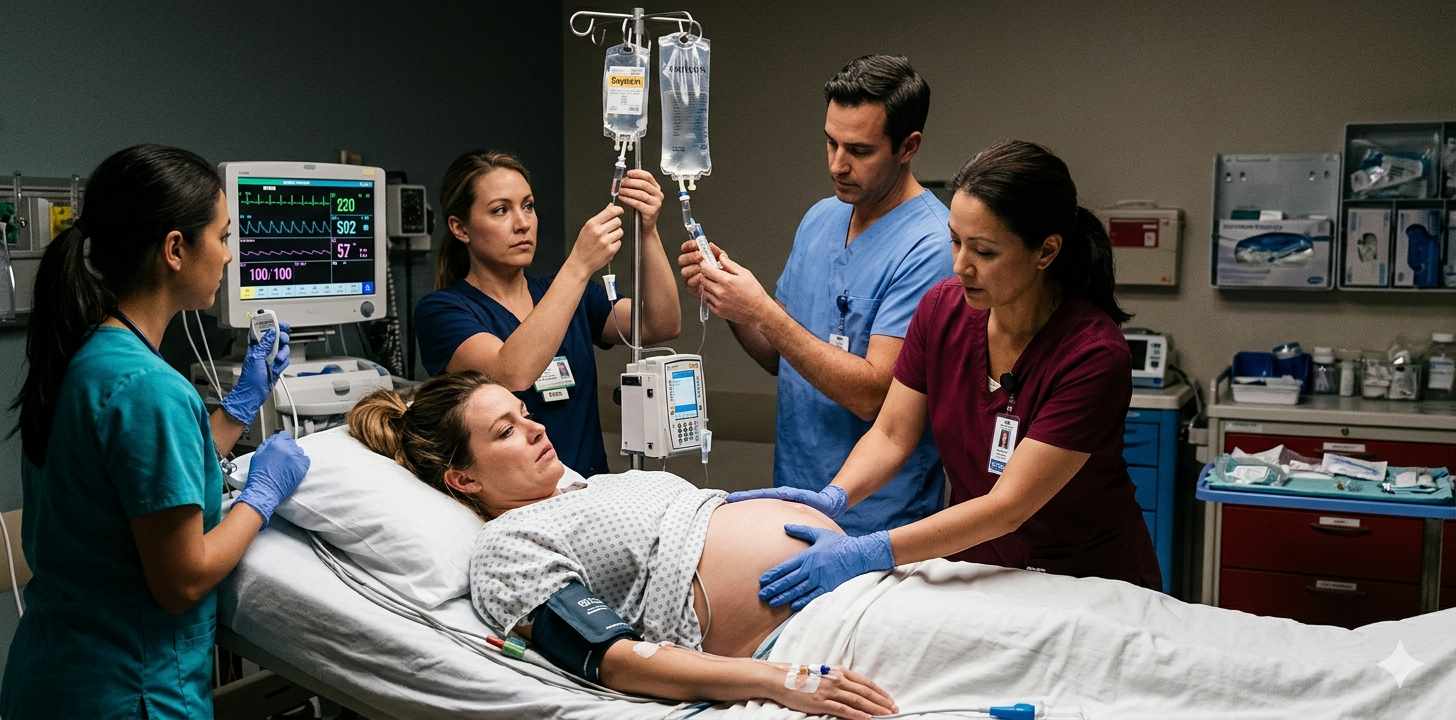
Prompt & Comprehensive Care for Excessive Bleeding After Childbirth
Postpartum hemorrhage (PPH) is excessive bleeding after childbirth that requires prompt medical assessment and treatment. It can occur after a vaginal birth or cesarean delivery and may develop immediately after delivery or during the postpartum period.
Early recognition, rapid assessment and appropriate treatment are important to control bleeding, identify its cause and protect the mother’s health.
What Is Postpartum Hemorrhage?
Postpartum hemorrhage refers to heavier-than-expected bleeding after childbirth.
Some vaginal bleeding is normal after delivery and is called lochia. However, very heavy bleeding, rapidly increasing blood loss or symptoms such as dizziness, weakness or fainting may indicate postpartum hemorrhage and require urgent medical attention.
PPH can occur after:
Vaginal delivery
Cesarean section
Assisted vaginal delivery
Delivery of twins or multiples
Other complicated deliveries
What Causes Postpartum Hemorrhage?
Postpartum hemorrhage can have several causes. Doctors commonly assess four major categories:
1. Uterine Atony
The uterus normally contracts after delivery to help control bleeding from the area where the placenta was attached.
If the uterus does not contract adequately, significant bleeding can occur. This is one of the most common causes of postpartum hemorrhage.
2. Retained Placental Tissue
Sometimes part of the placenta or placental tissue remains inside the uterus after delivery.
This can prevent the uterus from contracting properly and may contribute to continued bleeding.
3. Birth Canal or Surgical Trauma
Tears or injuries involving the:
Cervix
Vagina
Perineum
Uterus
may cause significant bleeding.
Bleeding can also occur from a cesarean incision or other surgical injury.
4. Blood Clotting Problems
Certain medical conditions or complications of pregnancy can affect the body’s ability to form blood clots, resulting in excessive or persistent bleeding.
Who May Be at Higher Risk?
Postpartum hemorrhage can occur unexpectedly, even when there are no obvious risk factors.
The risk may be higher with:
Previous postpartum hemorrhage
Multiple pregnancy
Large baby
Prolonged labour
Very rapid labour
Induction or augmentation of labour
Placenta previa or other placental conditions
Placental abruption
Uterine fibroids
Certain blood-clotting disorders
Severe anemia during pregnancy
Previous uterine surgery
Cesarean delivery
Certain medications or medical conditions
Having a risk factor does not mean that PPH will definitely occur.
Symptoms of Postpartum Hemorrhage
Signs that may indicate significant postpartum bleeding include:
Heavy or rapidly increasing vaginal bleeding
Passing large blood clots
Soaking through sanitary pads quickly
Dizziness or light-headedness
Weakness or extreme fatigue
Fainting
Rapid heartbeat
Shortness of breath
Pale or clammy skin
Low blood pressure
Feeling unusually unwell
Severe bleeding can lead to shock and is a medical emergency.
How Is Postpartum Hemorrhage Diagnosed?
Treatment begins while the medical team assesses the cause and severity of bleeding.
Assessment may include:
Monitoring blood pressure, pulse and oxygen levels
Estimating blood loss
Examination of the uterus
Examination for vaginal or cervical tears
Checking whether the placenta is complete
Blood tests
Hemoglobin measurement
Blood-clotting tests when required
Ultrasound when retained tissue or another cause is suspected
The treatment depends on the amount of bleeding, the underlying cause and the mother’s overall condition.
Postpartum Hemorrhage Treatment
Treatment is usually started quickly and may involve several measures at the same time.
1. Initial Stabilization
The first priority is to stabilize the mother and control the bleeding.
Medical teams may:
Monitor vital signs continuously
Establish intravenous access
Give intravenous fluids
Take blood samples
Arrange blood products when necessary
Monitor urine output
Provide oxygen when clinically required
Treatment is tailored to the severity of bleeding and the mother’s condition.
2. Uterine Massage
If uterine atony is suspected, uterine massage may be performed to encourage the uterus to contract.
This can be used along with medications and other measures to control bleeding.
3. Medications to Contract the Uterus
Medications called uterotonics may be used to help the uterus contract.
The choice of medication depends on:
Severity of bleeding
Cause of PPH
Blood pressure
Medical history
Other contraindications
The treating team selects the appropriate medication and dose according to the clinical situation.
4. Tranexamic Acid
Tranexamic acid may be used as part of treatment for postpartum hemorrhage.
It helps reduce bleeding by supporting the body’s ability to maintain blood clots.
When appropriate, it is generally most effective when given promptly after postpartum hemorrhage is recognized.
5. Removing Retained Placental Tissue
If part of the placenta remains inside the uterus, the doctor may need to remove the retained tissue.
This may involve:
Manual removal
Uterine evacuation or other appropriate procedure
Ultrasound assessment when required
The method depends on the clinical situation and the suspected cause of bleeding.
6. Repair of Tears
If bleeding is caused by a tear in the:
Cervix
Vagina
Perineum
Uterus
the tear may need to be identified and repaired surgically.
Stopping bleeding from the actual source is an important part of PPH management.
7. Balloon Tamponade
If bleeding continues despite initial treatment, a uterine balloon tamponade may be considered.
A balloon device is placed inside the uterus and inflated appropriately to apply pressure and help control bleeding.
It can be an effective uterus-preserving treatment in selected cases.
8. Blood Transfusion
Significant blood loss may cause anemia, reduced blood volume and circulatory instability.
Depending on the severity of bleeding and blood test results, treatment may include:
Packed red blood cells
Plasma
Platelets
Other blood components
The decision is individualized according to the mother’s condition and ongoing blood loss.
9. Surgical Treatment
If bleeding does not respond to medications and less invasive treatments, surgery may be required.
Possible procedures include:
Uterine Compression Sutures
Special surgical sutures may be placed around the uterus to help compress it and control bleeding.
Uterine Artery Embolization
In selected situations, a specialist may use a minimally invasive procedure to block blood flow through specific uterine blood vessels.
Vascular or Other Surgical Procedures
Depending on the cause and severity of bleeding, additional surgical techniques may be considered.
Hysterectomy
In severe, life-threatening bleeding that cannot be controlled by other measures, removal of the uterus may be necessary to save the mother’s life.
The priority in severe PPH is rapid control of bleeding and stabilization of the mother.
Can the Uterus Be Saved?
In many cases, postpartum hemorrhage can be controlled using medications, uterine massage, treatment of retained tissue, repair of tears, balloon tamponade, blood products or uterus-preserving procedures.
However, if bleeding is severe and continues despite appropriate treatment, hysterectomy may sometimes be necessary.
The treatment decision depends on the cause, severity of bleeding, response to treatment and the mother’s overall condition.
Recovery After Postpartum Hemorrhage
Recovery depends on the amount of blood lost and the treatment required.
After significant PPH, monitoring may include:
Hemoglobin levels
Blood pressure and pulse
Ongoing vaginal bleeding
Signs of infection
Uterine recovery
General strength and wellbeing
Some women may develop anemia after significant blood loss and may require iron supplementation or other treatment.
Severe PPH can also be physically and emotionally difficult. Emotional support and appropriate follow-up are an important part of recovery.
Postpartum Hemorrhage After Cesarean Delivery
PPH can occur after a cesarean section as well as after vaginal birth.
Potential causes may include:
Uterine atony
Surgical bleeding
Placental abnormalities
Retained placental tissue
Uterine injury
Blood-clotting problems
The medical team will quickly identify the likely source of bleeding and begin appropriate treatment.
Can Postpartum Hemorrhage Be Prevented?
Not every case of PPH can be prevented.
However, good maternity care can help reduce risks through:
Identifying risk factors during pregnancy
Treating significant anemia before delivery
Monitoring during labour
Careful assessment after delivery
Appropriate management of the third stage of labour
Prompt recognition of excessive bleeding
Rapid access to medications, blood products and surgical care when required
Planning is particularly important for women with known risk factors.
Postpartum Hemorrhage and Future Pregnancy
Having experienced PPH does not necessarily mean that future pregnancy is unsafe.
However, the risk of another episode may depend on the original cause and other individual factors.
Before a future pregnancy, it may be helpful to discuss:
The cause of the previous PPH
Treatment received
Any blood transfusion
Any surgery performed
Current hemoglobin levels
Future pregnancy planning
Delivery planning
A future pregnancy can then be monitored according to the individual’s history and risk factors.
When Should You Seek Emergency Medical Help?
After delivery, seek urgent medical attention if you experience:
Sudden heavy vaginal bleeding
Bleeding that is rapidly increasing
Passing very large clots with heavy bleeding
Fainting or severe dizziness
Difficulty breathing
Racing heartbeat
Severe weakness
Pale, cold or clammy skin
Severe abdominal pain
Feeling that something is seriously wrong
Do not wait for the bleeding to stop on its own if you are experiencing significant symptoms.
Frequently Asked Questions
1. Is postpartum hemorrhage dangerous?
Severe postpartum hemorrhage can be life-threatening and requires immediate medical treatment. Prompt recognition and treatment are important.
2. How much bleeding is normal after delivery?
Vaginal bleeding is expected after childbirth and gradually decreases. Very heavy, rapidly increasing or concerning bleeding requires medical assessment.
3. Can postpartum hemorrhage happen after a normal vaginal delivery?
Yes. PPH can occur after vaginal delivery as well as after cesarean delivery.
4. What is the most common cause of postpartum hemorrhage?
Poor contraction of the uterus after delivery, known as uterine atony, is a common cause.
5. Can postpartum hemorrhage happen after a C-section?
Yes. PPH can occur after a cesarean delivery due to several possible causes.
6. Can medicines stop postpartum hemorrhage?
Medications that help the uterus contract are commonly used when uterine atony is involved. Other treatments may be required depending on the cause.
7. What is tranexamic acid used for?
Tranexamic acid helps reduce bleeding by supporting clot stability and may be used as part of treatment for postpartum hemorrhage.
8. Will I need a blood transfusion?
Not everyone with PPH needs a transfusion. It depends on the amount of blood lost, ongoing bleeding, symptoms and blood test results.
9. Can postpartum hemorrhage be treated without surgery?
Many cases can be managed without major surgery, depending on the cause and severity. However, surgery may be necessary if bleeding continues despite other treatments.
10. Does postpartum hemorrhage always require a hysterectomy?
No. Hysterectomy is generally considered when severe bleeding cannot be controlled with other treatments and is necessary to protect the mother’s life.
11. Can I have another baby after postpartum hemorrhage?
In many cases, yes. Future pregnancy planning should take into account the cause and severity of the previous PPH and any treatment that was required.
12. Can postpartum hemorrhage cause anemia?
Yes. Significant blood loss can reduce hemoglobin levels and lead to anemia, which may require iron treatment or other medical management.
13. How long does recovery from PPH take?
Recovery varies according to the amount of blood lost, whether anemia developed and what treatment was required.
14. Is postpartum hemorrhage preventable?
Not every case can be prevented, but identifying risk factors, managing anemia and providing appropriate care during and after delivery can help reduce risk and improve early detection.
